
Damage
How Shrink Wrap Prevents Secondary Damage After Storms
Secondary damage from storm events — mold, structural damage, destroyed interiors — is preventable with proper shrink wrap dry-in. Here is how it works.

Secondary damage from storm events — mold, structural damage, destroyed interiors — is preventable with proper shrink wrap dry-in. Here is how it works.

An emergency enclosure is a temporary weatherproof shell for storm-damaged buildings. Learn what they cover, how they work, and when to call.
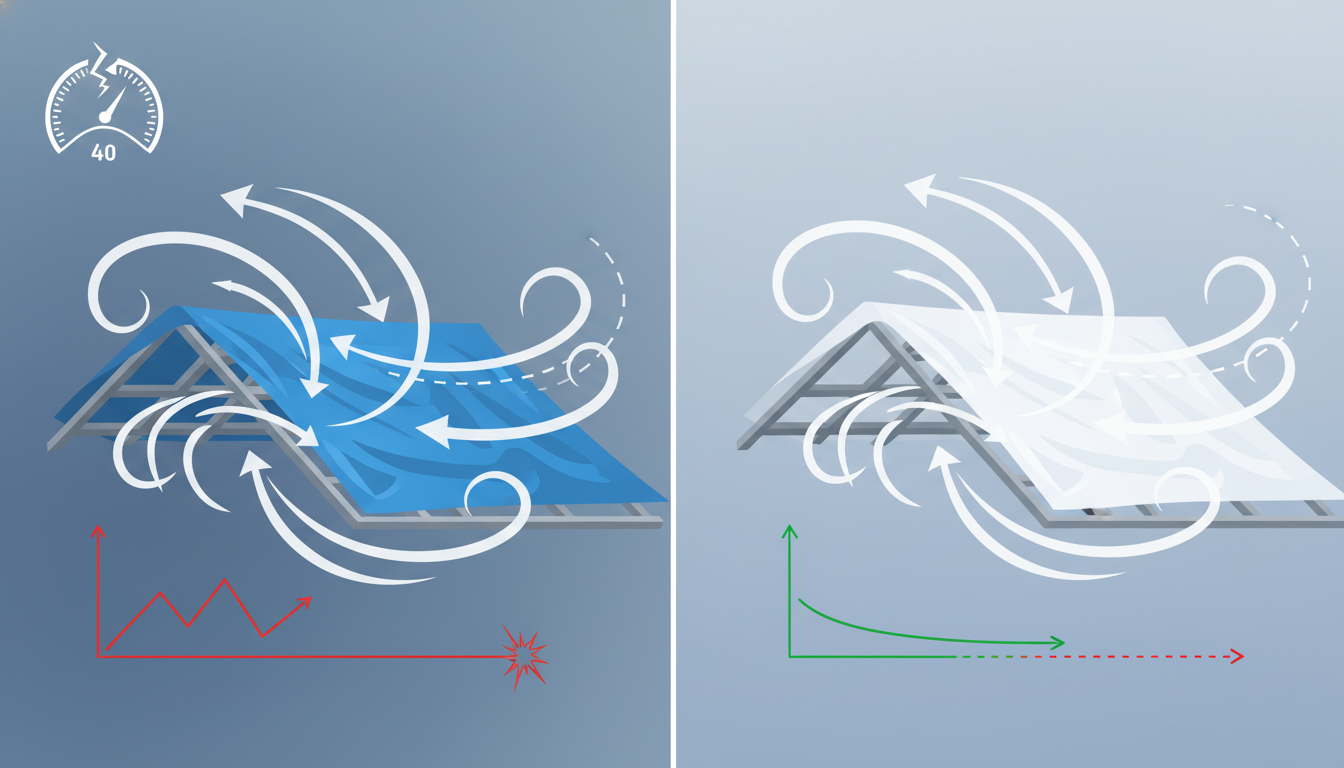
Compare shrink wrap vs blue tarps for roof dry-in. See lifespan, wind performance, maintenance time, and when each option makes sense.
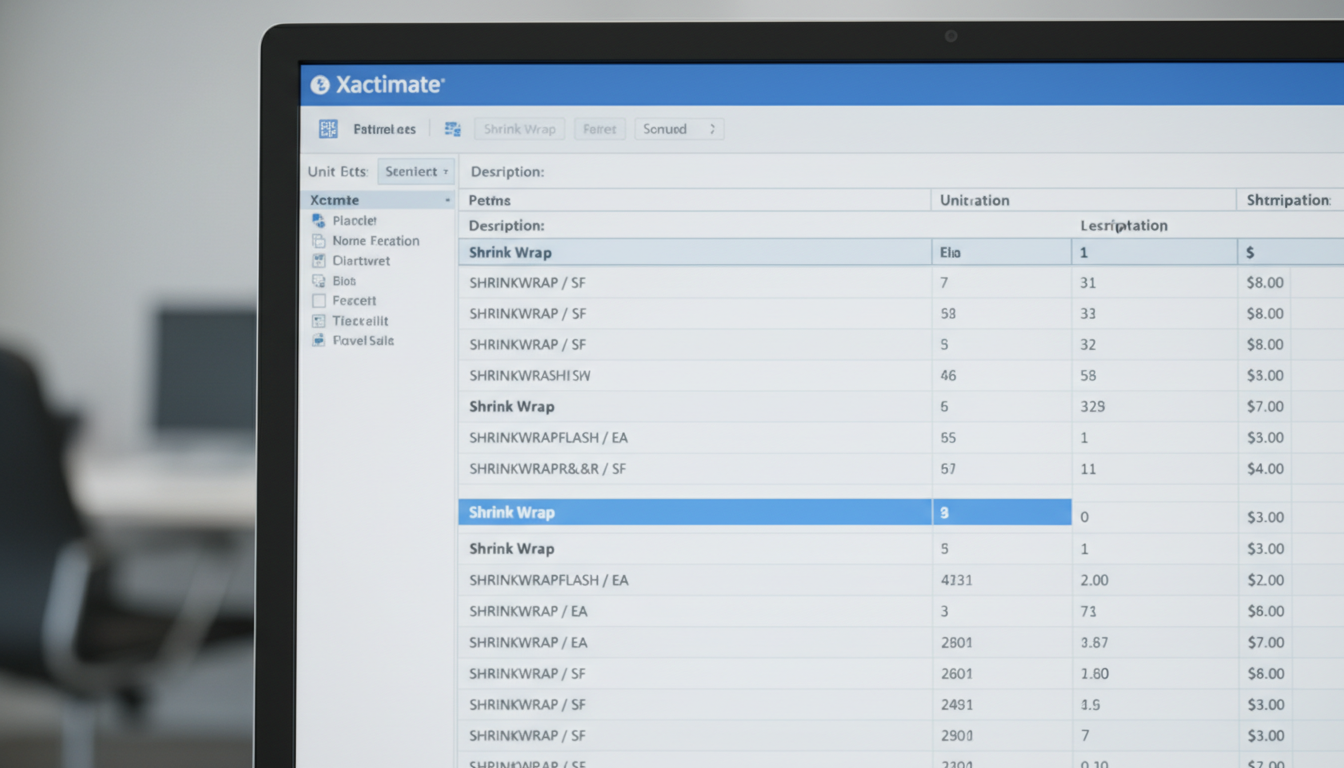
Typical emergency roof shrink wrap costs run about $3–$8 per sq ft installed. See pricing factors, examples, and what to do next.

Future-proofing commercial real estate against increasing storm severity. Why temporary enclosures are becoming a permanent part of disaster preparedness plans.
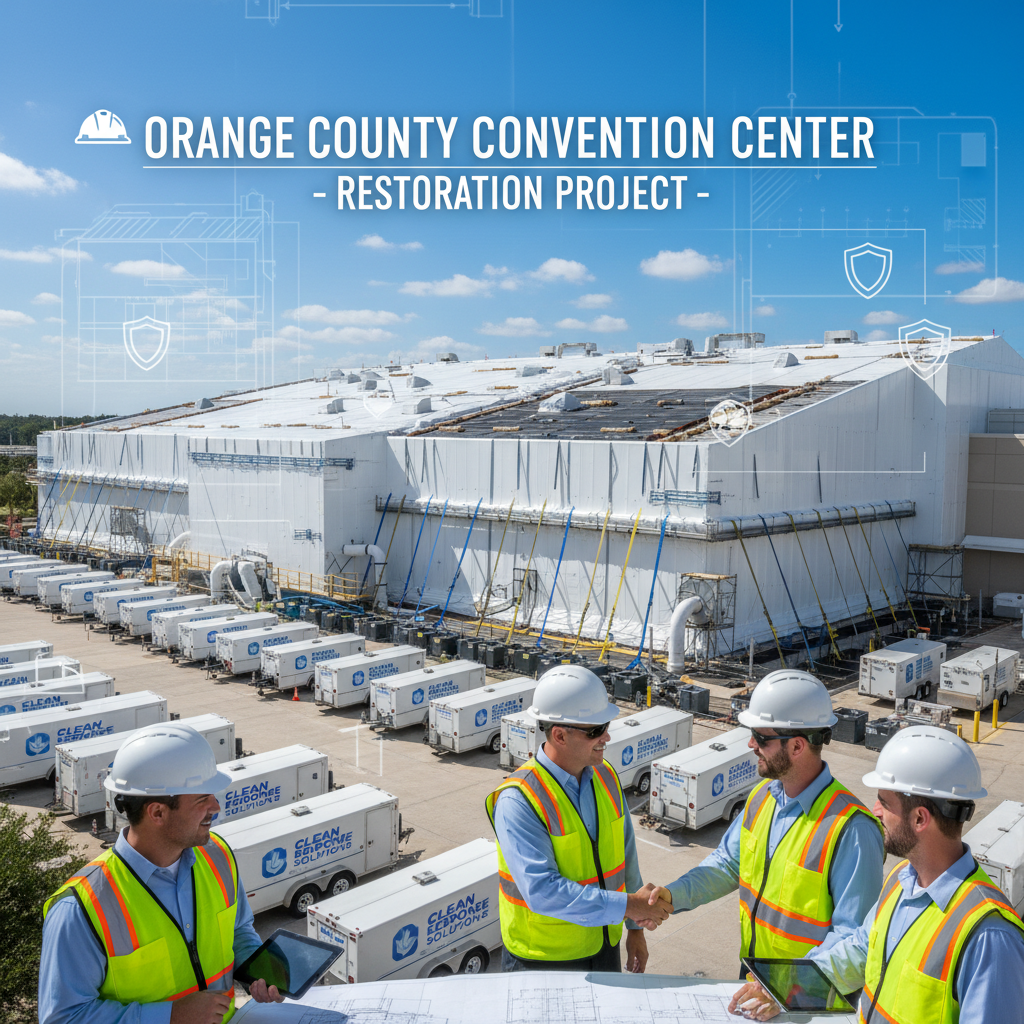
A guide to the NAHB International Builders’ Show 2026 in Orlando. Focus on disaster readiness, resilient construction, and what restoration pros need to know about the final Orlando show.
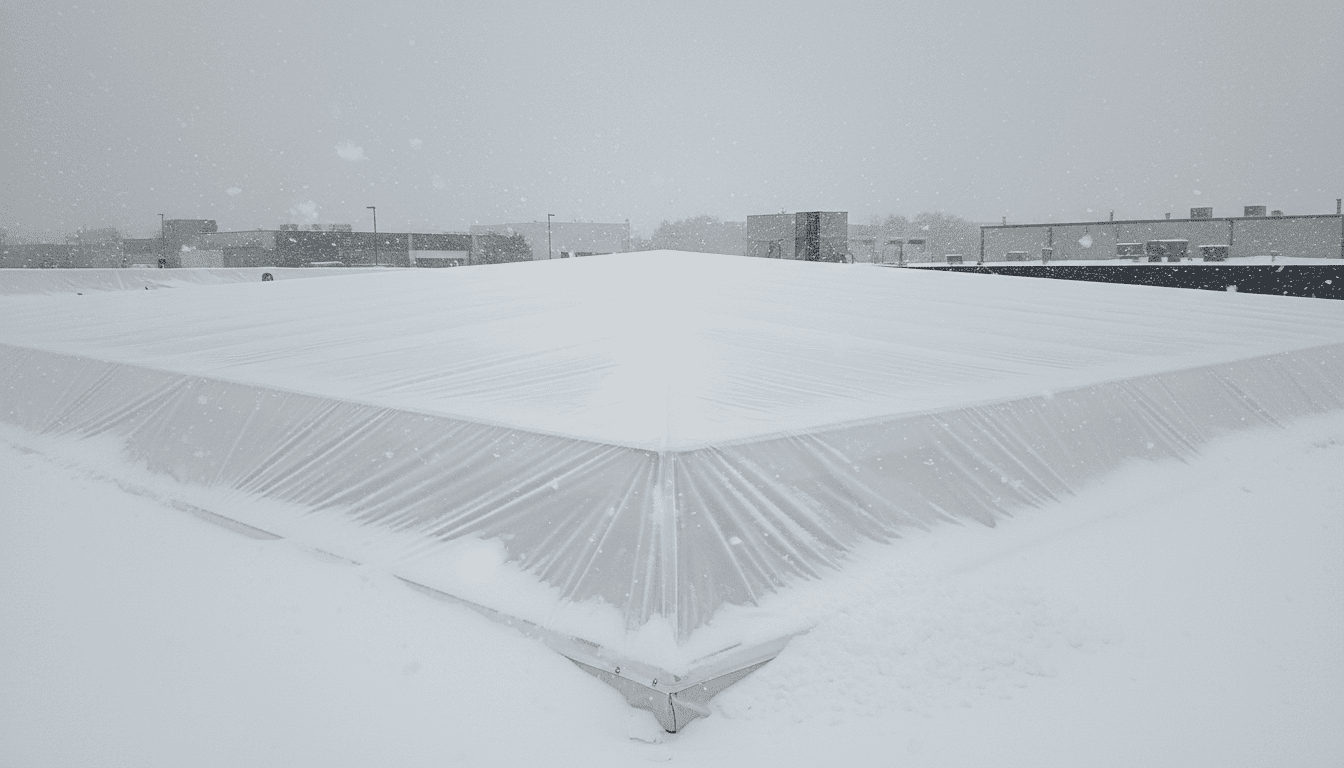
Preparing for Winter 2026? Discover if 12-mil shrink wrap can withstand heavy snow loads. We analyze ASCE 7-22 compliance, tensile strength, and structural reinforcement for temporary roofing.
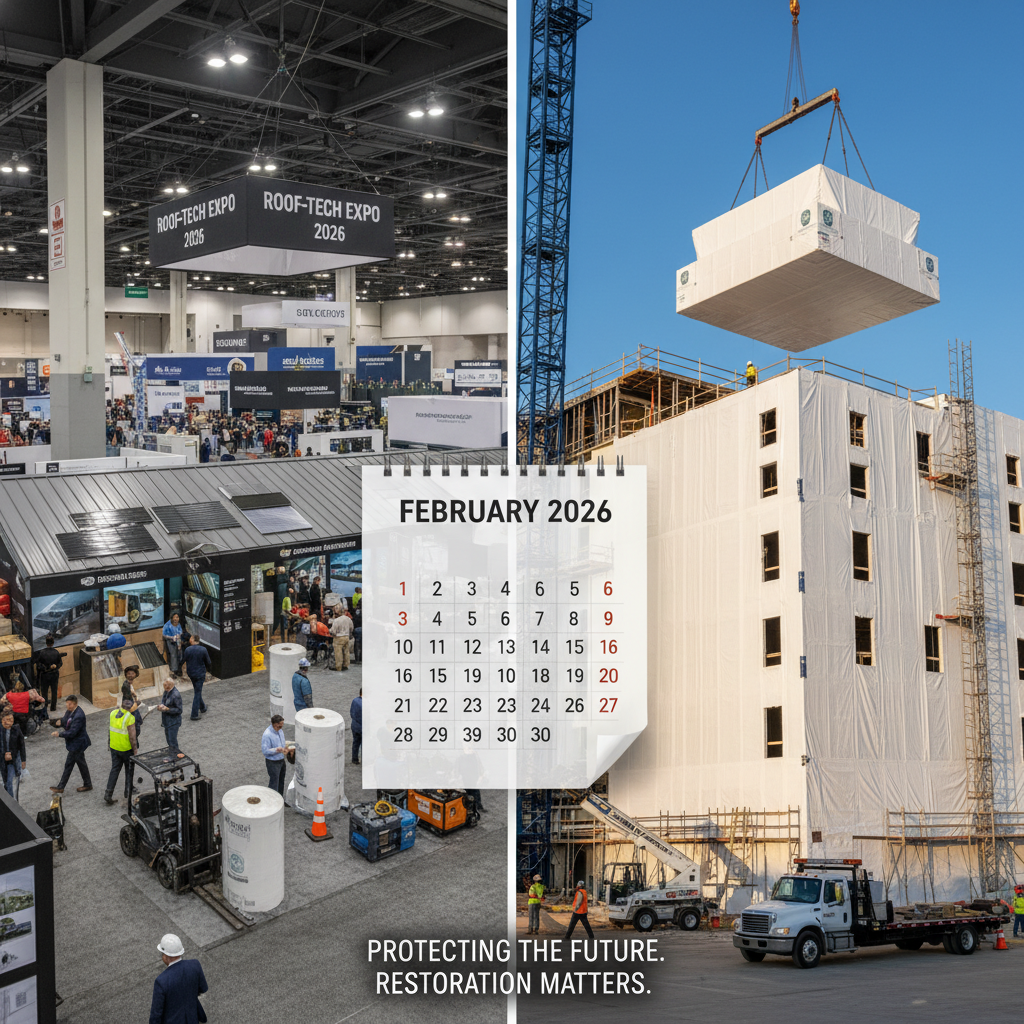
The definitive guide to February 2026’s restoration and roofing industry events. From the IRE recap to the IBS preview in Orlando, discover how major trade shows are shaping storm response strategies.
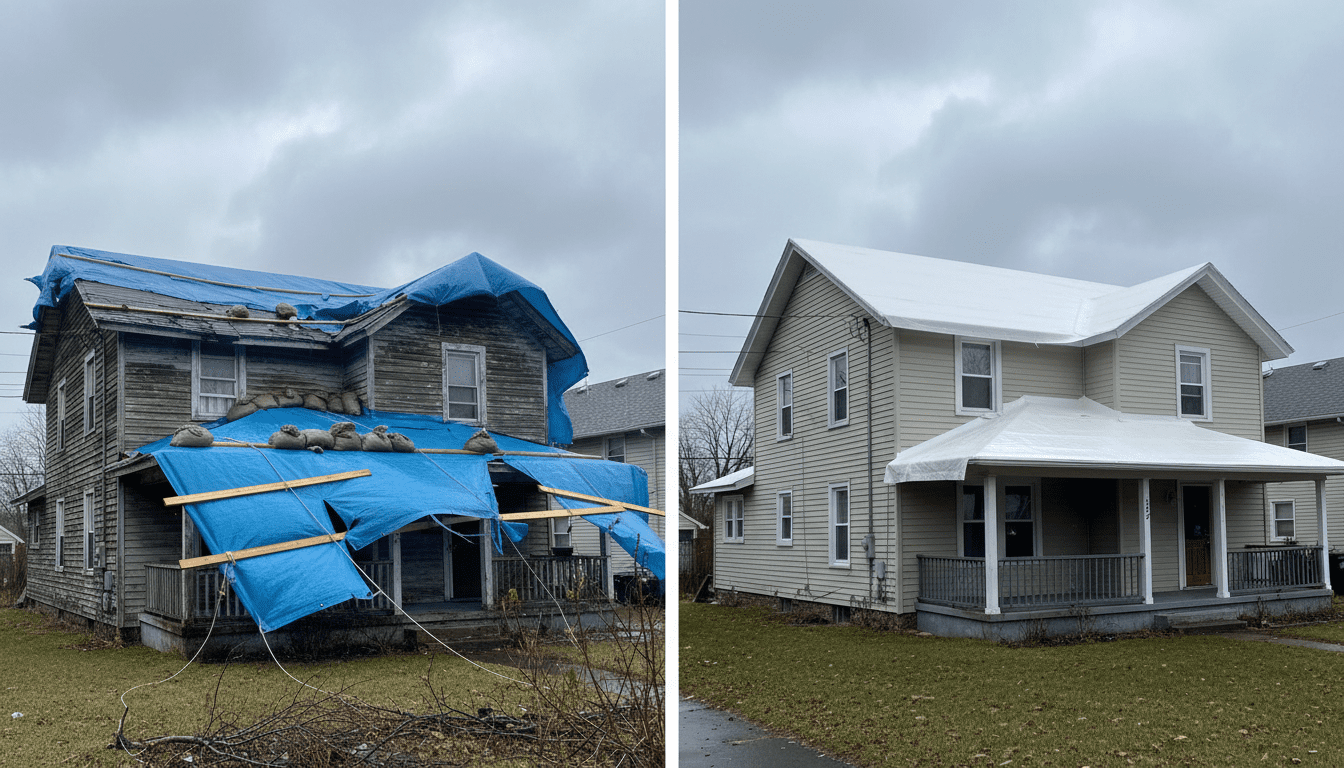
Is a blue tarp roof enough to protect your property? We compare blue tarps vs. professional shrink wrap on durability, wind resistance, and insurance claims.
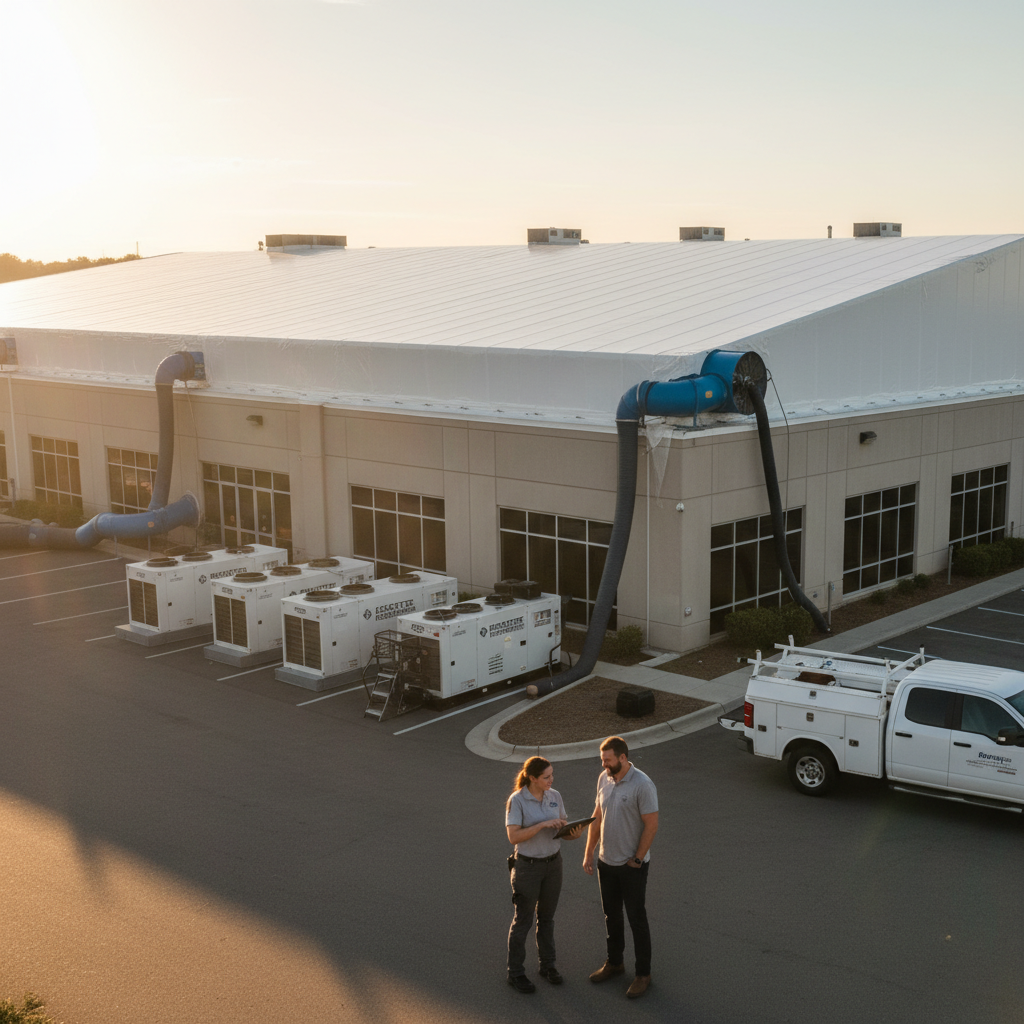
Key takeaways from RoofCON 2026 in Oklahoma City. How a ‘service-first’ approach using professional emergency containment can drive storm restoration sales.