Commercial
Emergency Roof Enclosure Services in [City, State]: What to Expect
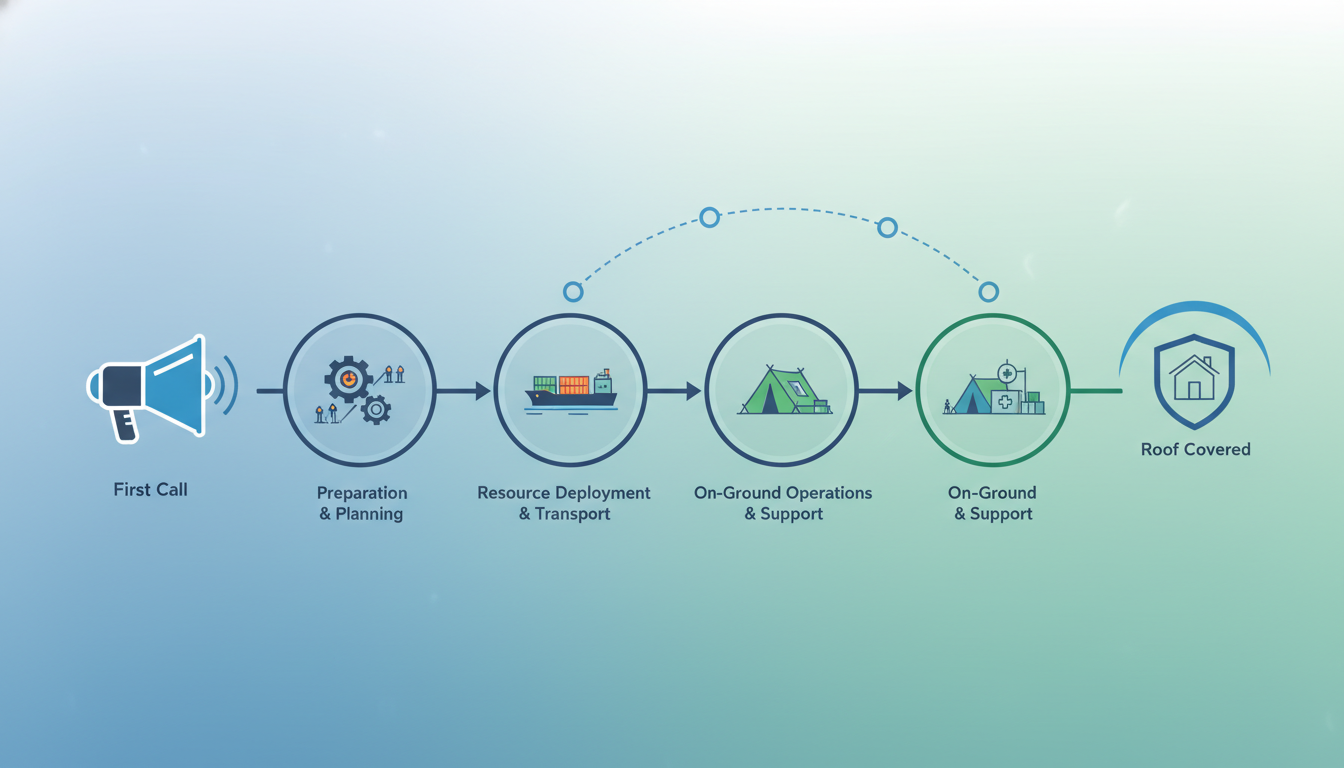
StormWrappers provides emergency enclosure services nationwide — here is what property owners can expect from initial call through completed installation.

StormWrappers provides emergency enclosure services nationwide — here is what property owners can expect from initial call through completed installation.
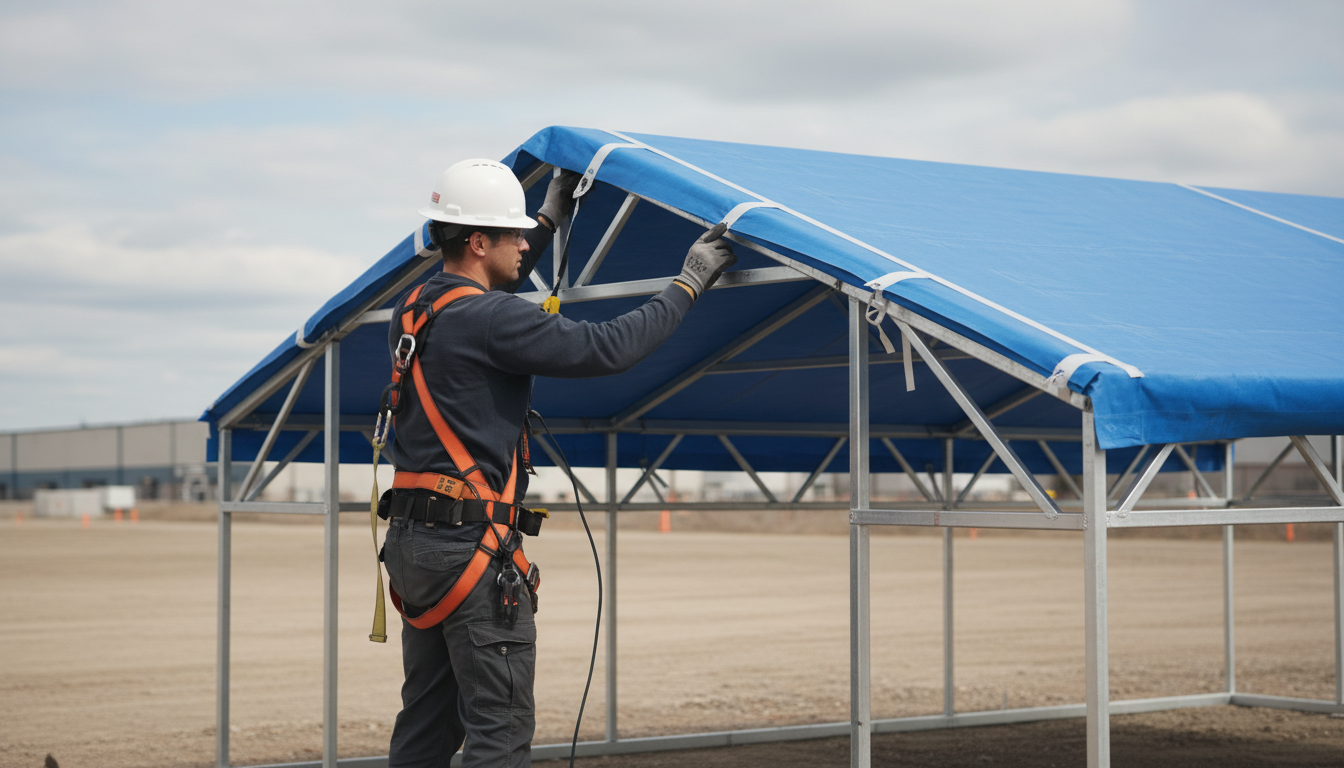
The StormWrappers three-phase process — assessment, stabilization, and shrinkwrapping — delivers a professional emergency enclosure every time. Here is what each phase involves.

Ice storms cause unique and often hidden roof damage. Here is how to assess ice storm damage, prevent ice dams, and protect your property through recovery.
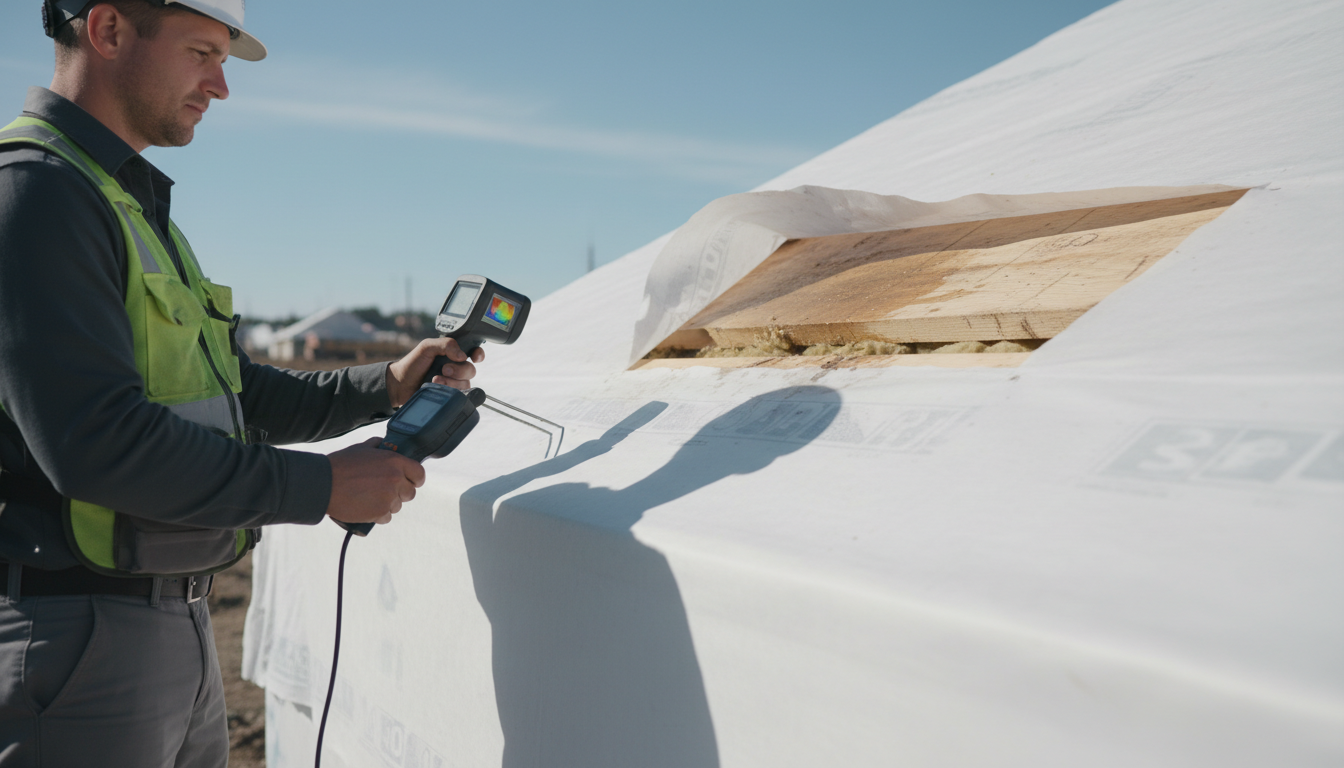
Tornado roof damage assessment guide — what damage patterns to document, immediate safety steps, and how to protect your property before repairs begin.
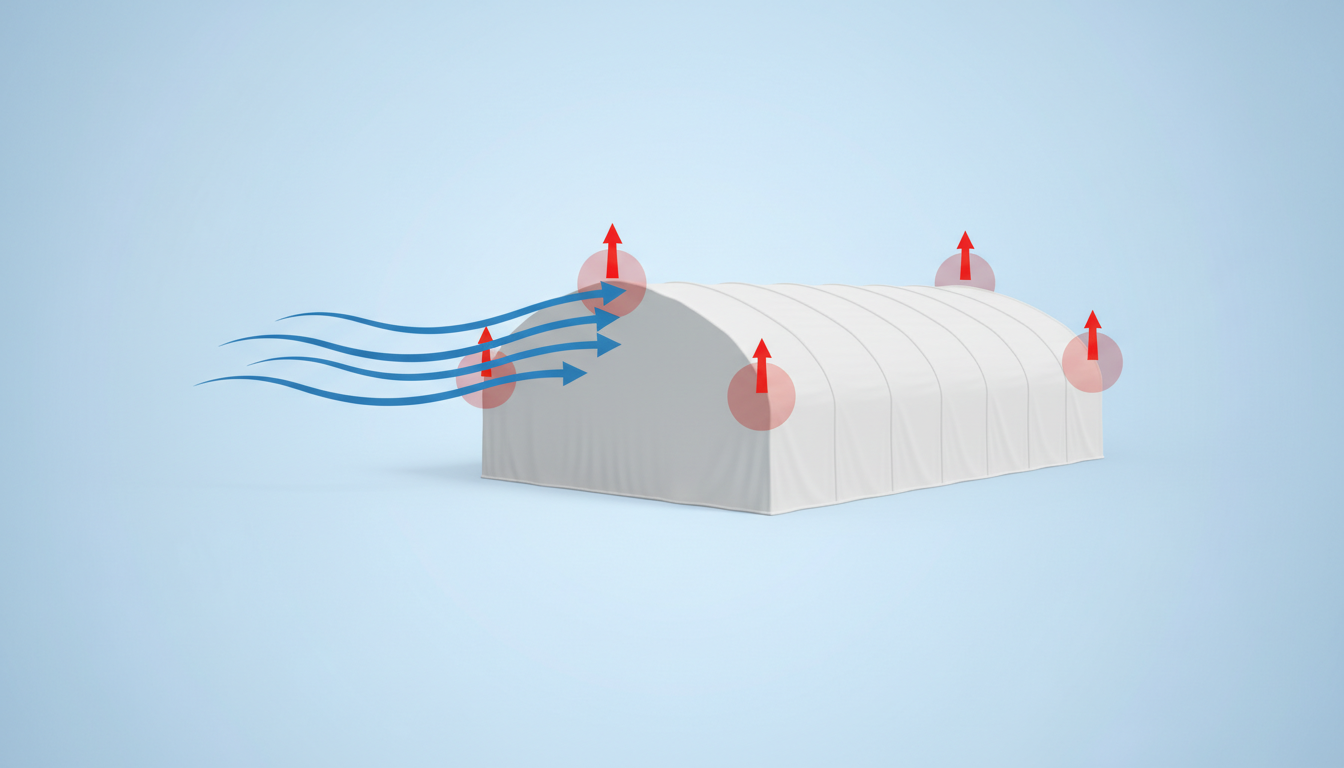
Understand wind resistance ratings for roofing materials, what fails first in storms, and why a temporary dry-in is the bridge to a better roof.
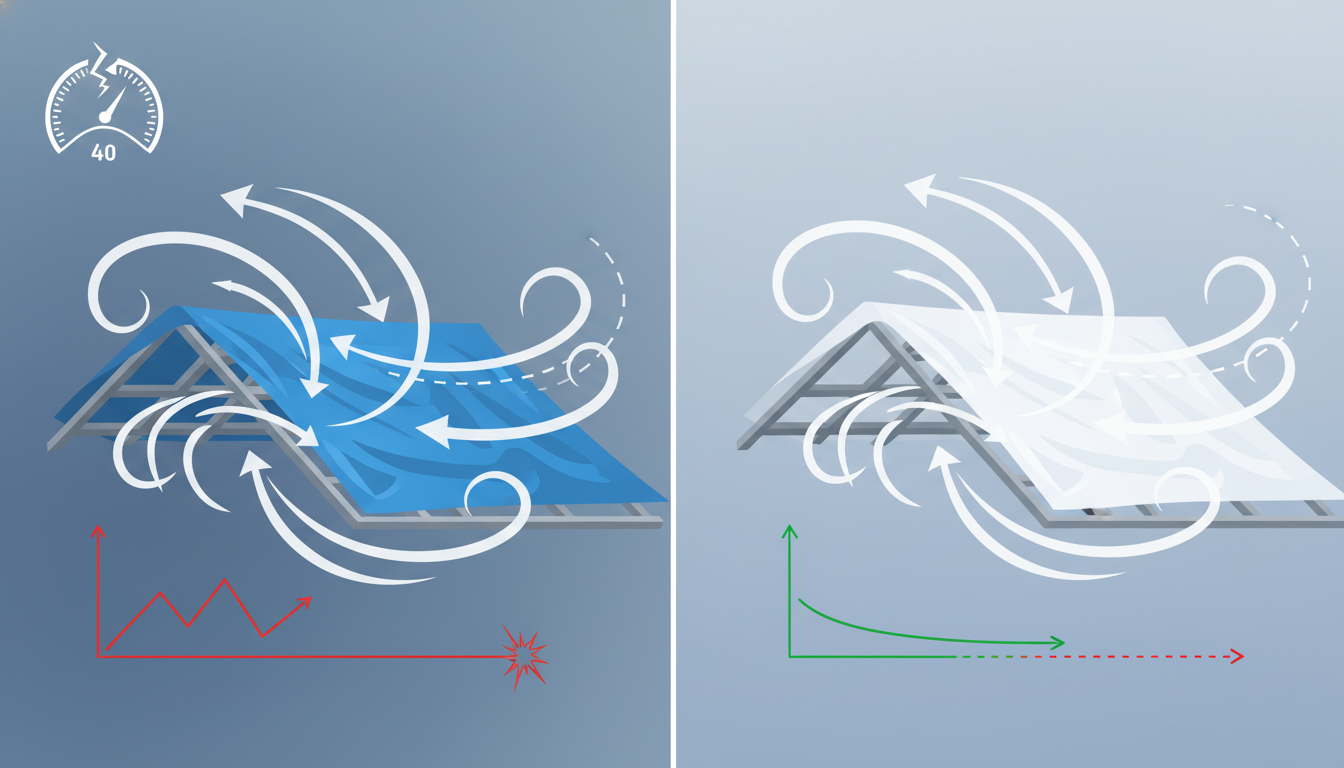
Blue tarps are ubiquitous after storms — but why blue? And more importantly, why professional shrink wrap outperforms them for serious roof protection.
Emergency enclosures and roof tarps are not the same — one is a temporary fix, one is engineered protection. Here is how to choose based on your situation.
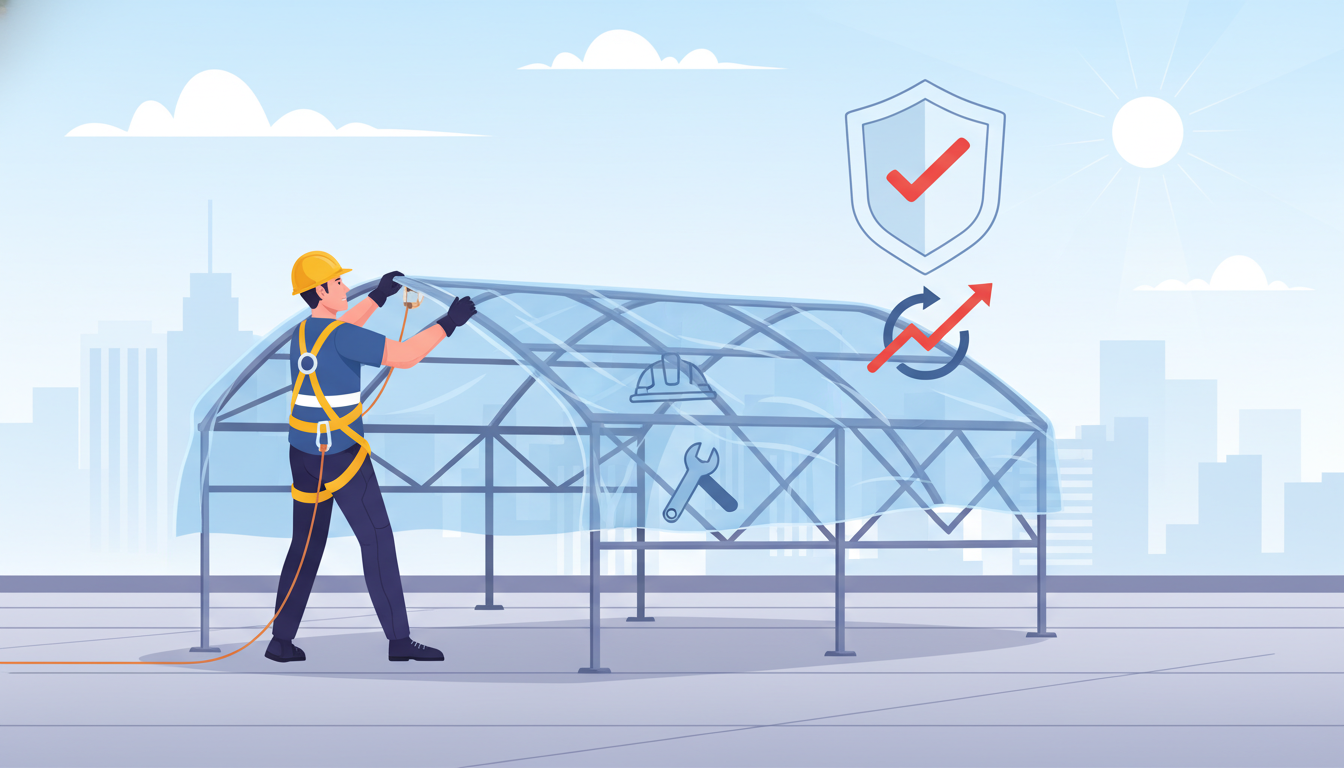
A professional roof dry-in involves more than covering damaged areas. Here is the full process StormWrappers crews use: assessment, stabilization, and shrinkwrapping.

Protect your home or commercial property during hurricane season with rapid shrink wrap installation. Learn timing, preparation, and what to expect.
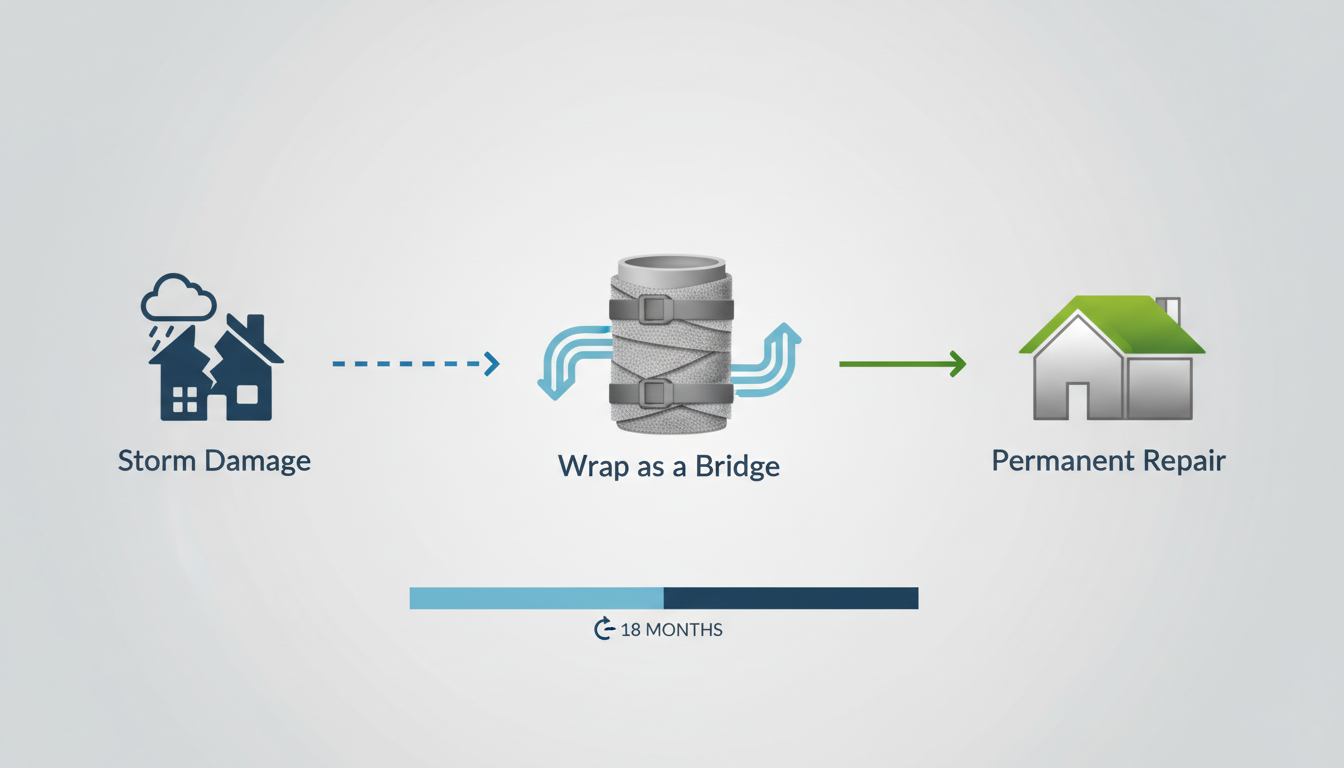
Mold starts within 24–48 hours of moisture. A professional shrink wrap dry-in after storm damage stops the water intrusion that starts the mold clock.