Guide
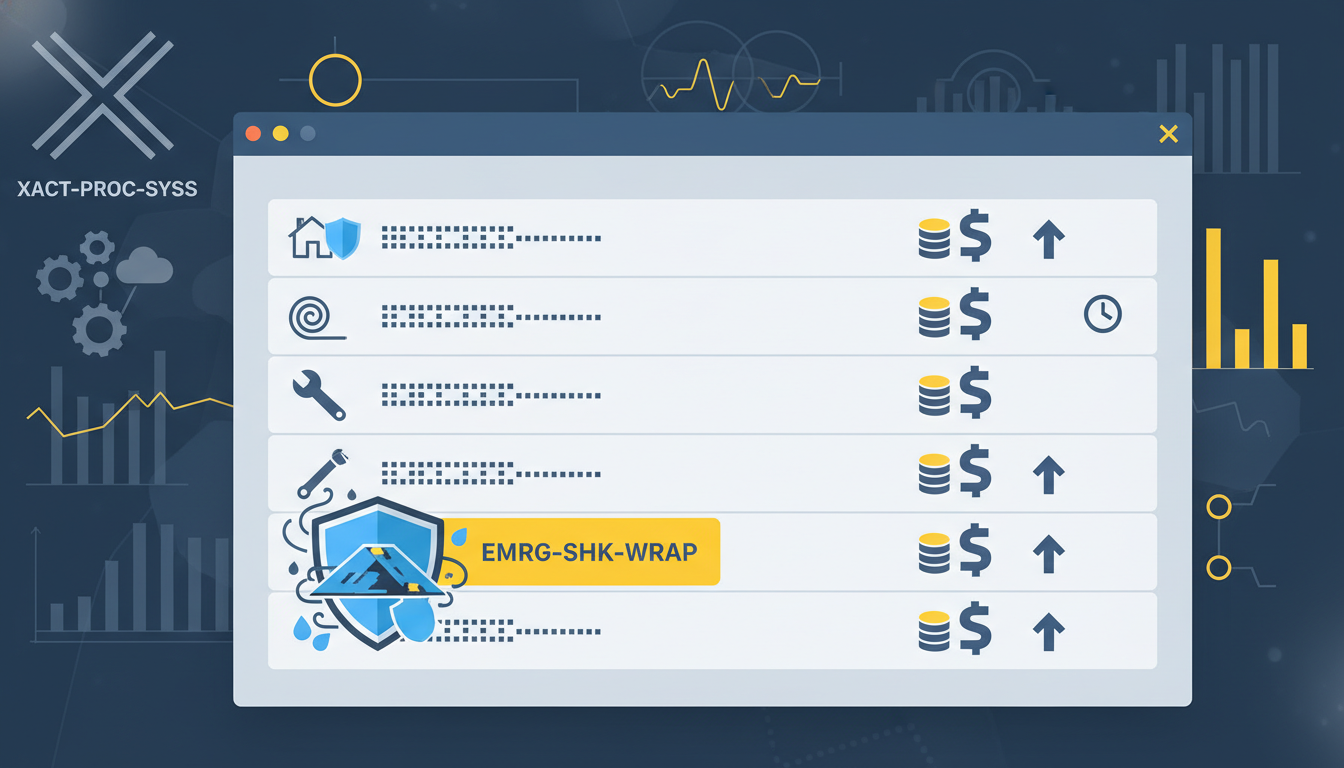
Xactimate Codes for Emergency Shrink Wrap: A Billing Guide
Essential Xactimate codes for emergency shrink wrap services. Guide for adjusters and contractors on line items for 12-mil wrap, sandbags, and framing.

Essential Xactimate codes for emergency shrink wrap services. Guide for adjusters and contractors on line items for 12-mil wrap, sandbags, and framing.

Category 5 hurricanes generate 157+ mph winds that test every component of your roof. Pre-storm preparation and emergency response planning that gives your property the best chance.
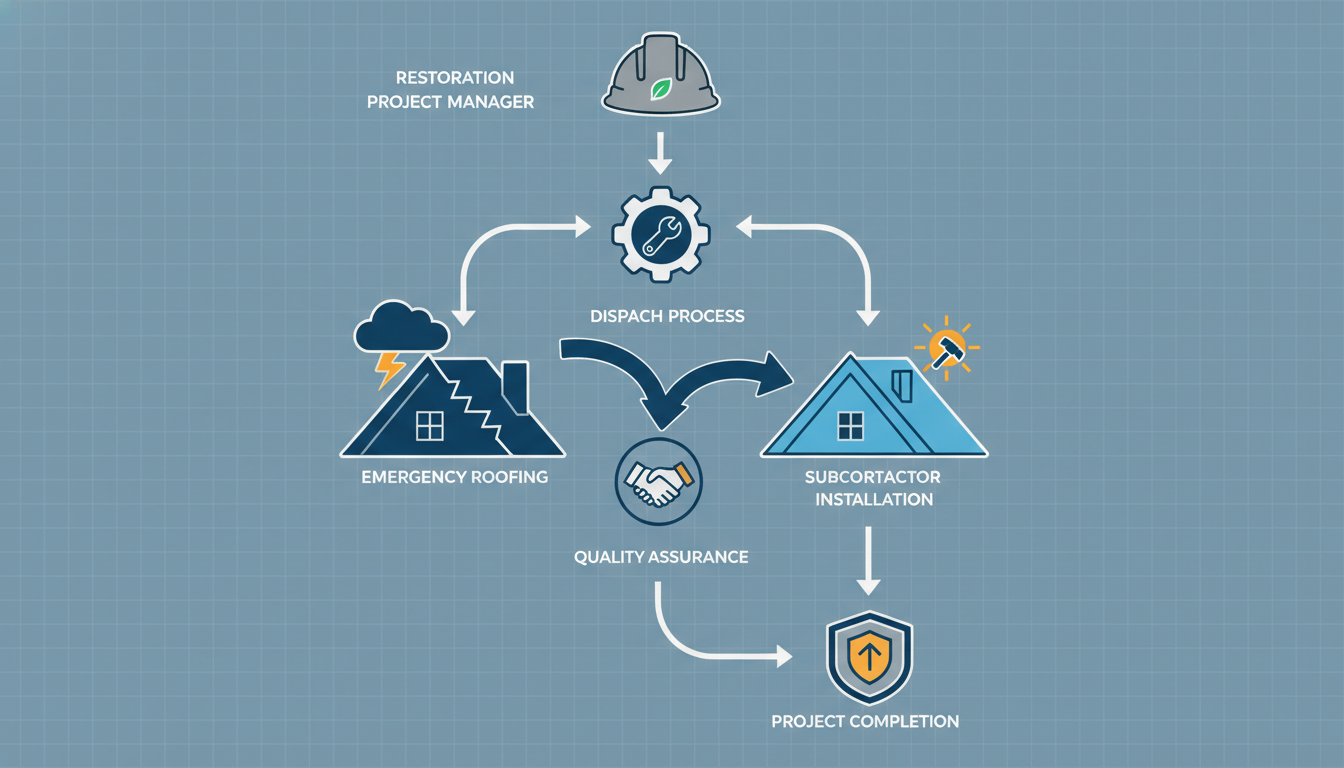
Standard Operating Procedure (SOP) for restoration franchises subcontracting emergency roof wrapping. How to white-label StormWrappers for large loss projects.
Hurricane straps and clips protect your roof structure from wind uplift — but they don’t stop water intrusion after damage. Here’s what each does and why shrink wrap fills the gap.
How emergency storm tarping creates weathertight protection for damaged roofs while permanent repair is scheduled, and what professional tarp installation involves.
Hurricane season opens June 1. Proactive preparation costs 2-3x less than emergency response. Complete property preparation timeline, vulnerability assessment guide, and pre-season emergency contract options.

Roof shrink wrap installation costs $3 to $8 per sq ft for residential properties — $3,000 to $16,000 for most homes. Most is covered by property insurance. Complete pricing breakdown and cost comparison with blue tarps.
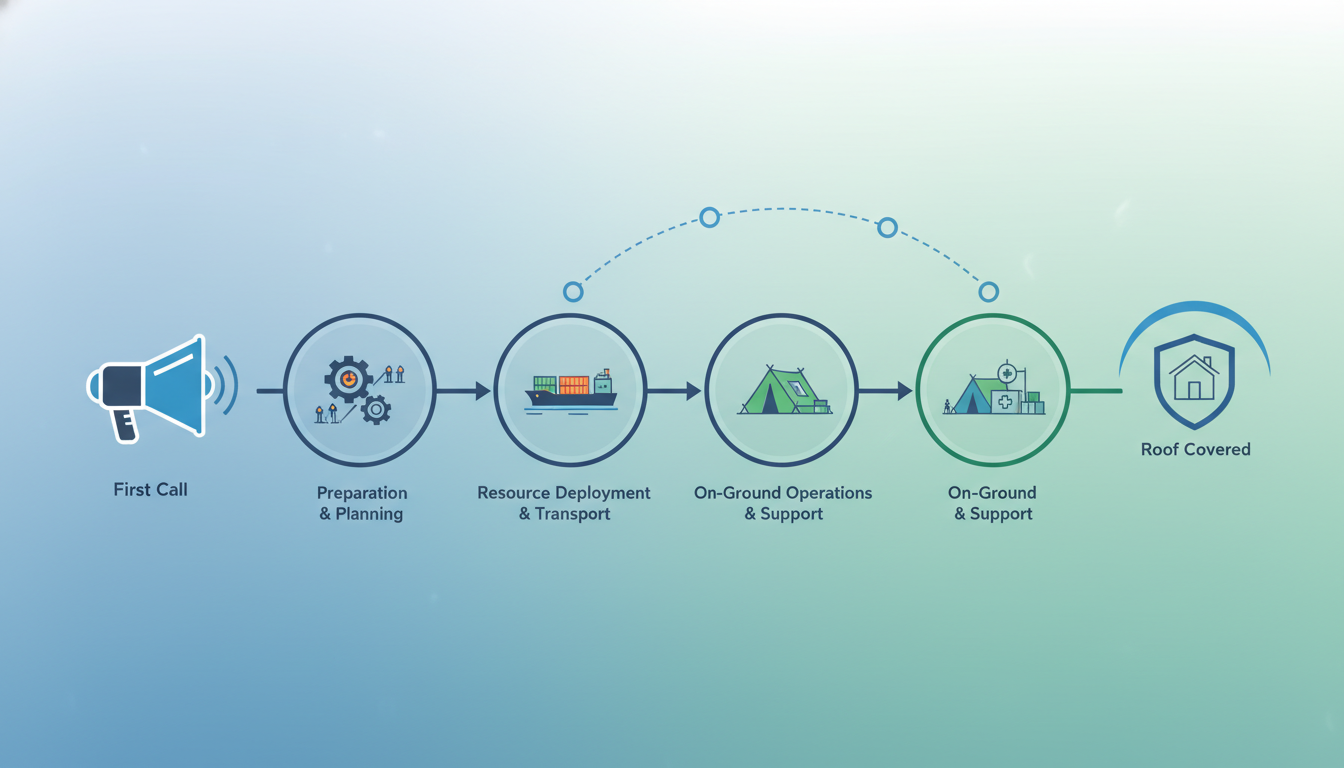
Storm damaged your roof? Get professional protection in place within 24-48 hours. Learn why shrink wrap outperforms tarps, what emergency installation costs, and how insurance covers it.
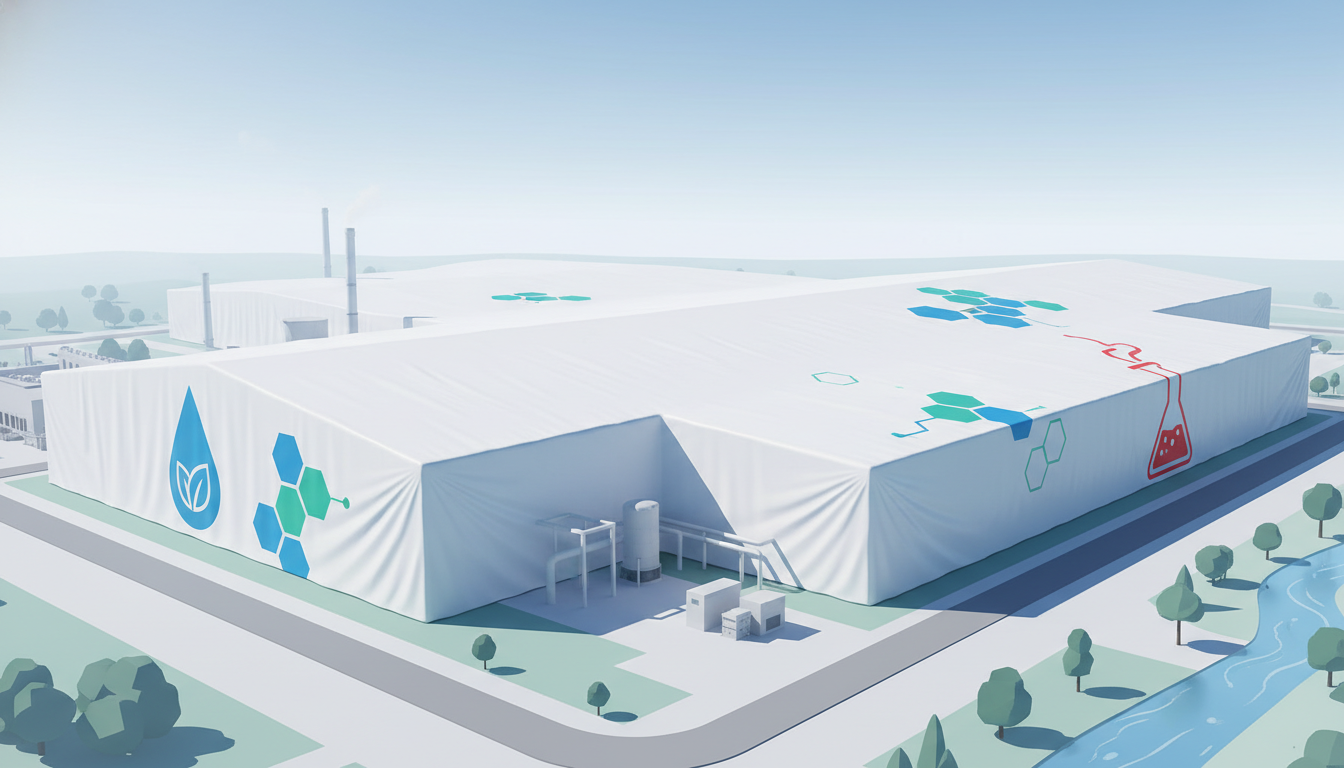
Everything property owners need to know about professional roof shrink wrapping. Materials, 9-step installation process, 12-18 month durability, cost by property type, and how insurance covers it.
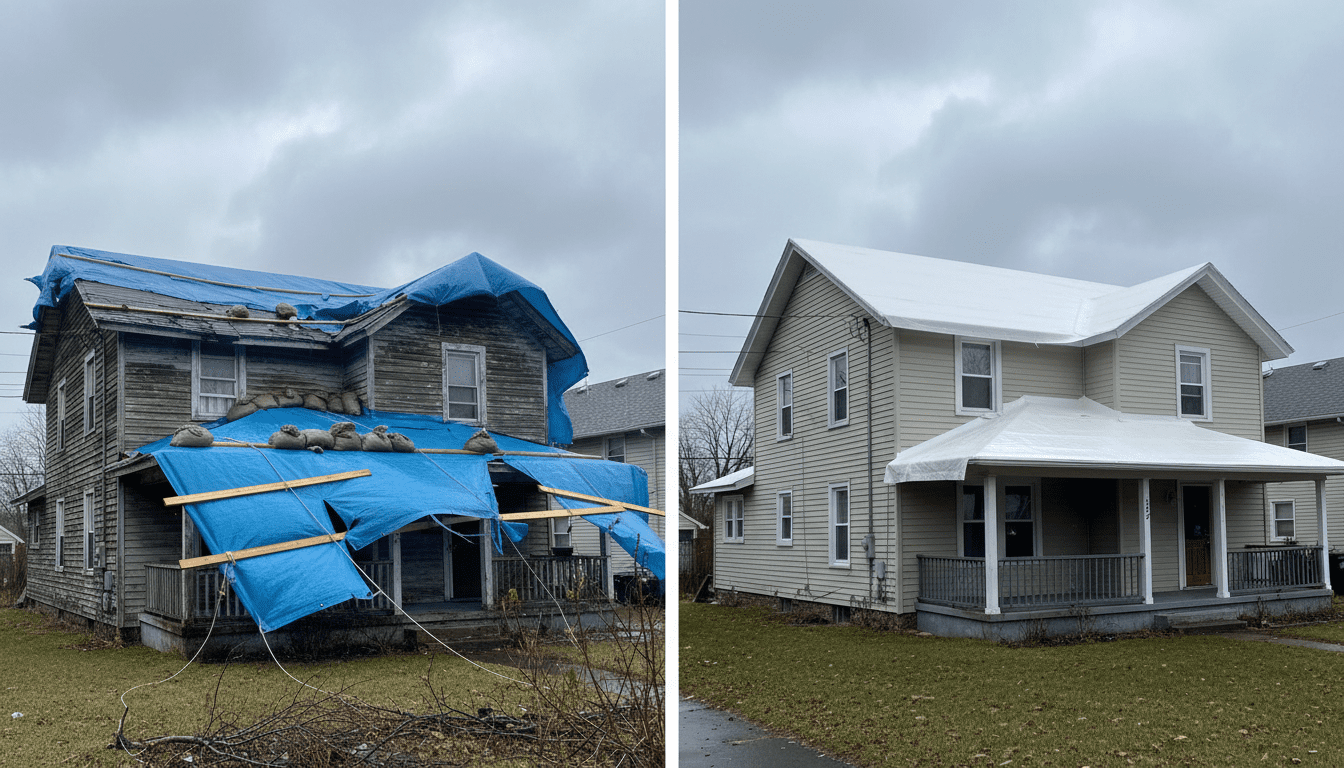
Blue tarps fail in 30-90 days and blow off in 30 mph winds. Professional shrink wrap lasts 12+ months and withstands 100 mph. Scientific comparison covering durability, cost, wind resistance, and insurance implications.