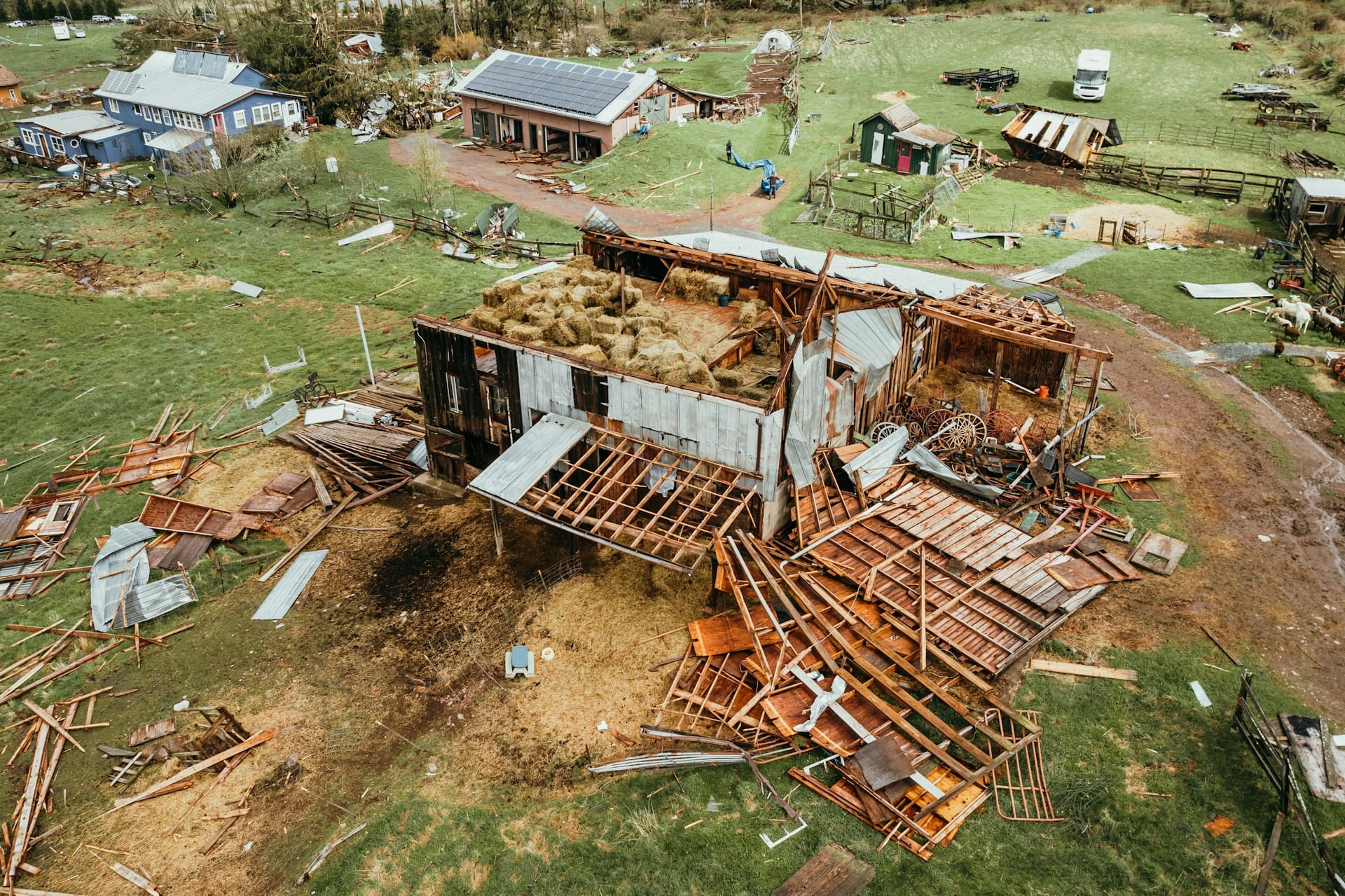
Roofing
Tornado Watch vs. Warning: Protecting Roofs, Windows, and Openings
Tornado Watch vs. Warning: Protecting Roofs, Windows, and Openings What changes when alerts escalate and how to protect your home’s weak points before, during, and

Tornado Watch vs. Warning: Protecting Roofs, Windows, and Openings What changes when alerts escalate and how to protect your home’s weak points before, during, and
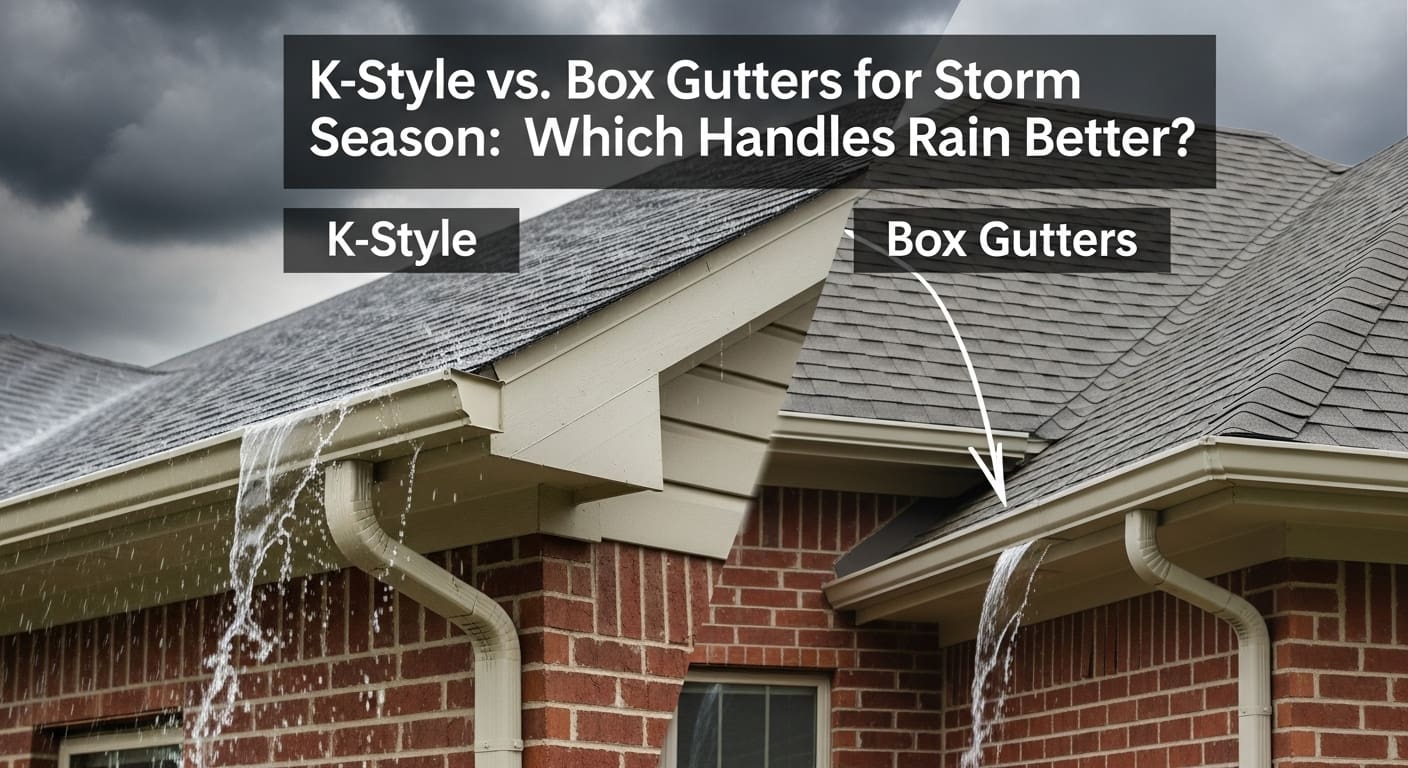
K‑Style vs. Box Gutters for Storm Season: Which Handles Rain Better? Compare capacity, clog risk, and maintenance for heavy rain performance. Capacity and flow Profile

Roof Wrapping Science: Waterproofing, UV, and Wind Uplift Basics How professional shrink wrap protects storm-damaged roofs and what variables matter. Waterproofing mechanisms Continuous membrane sheds

Hurricane Prep Checklist for Roofs and Gutters Use this checklist before a hurricane watch or warning to reduce roof and gutter damage. Roof and attic
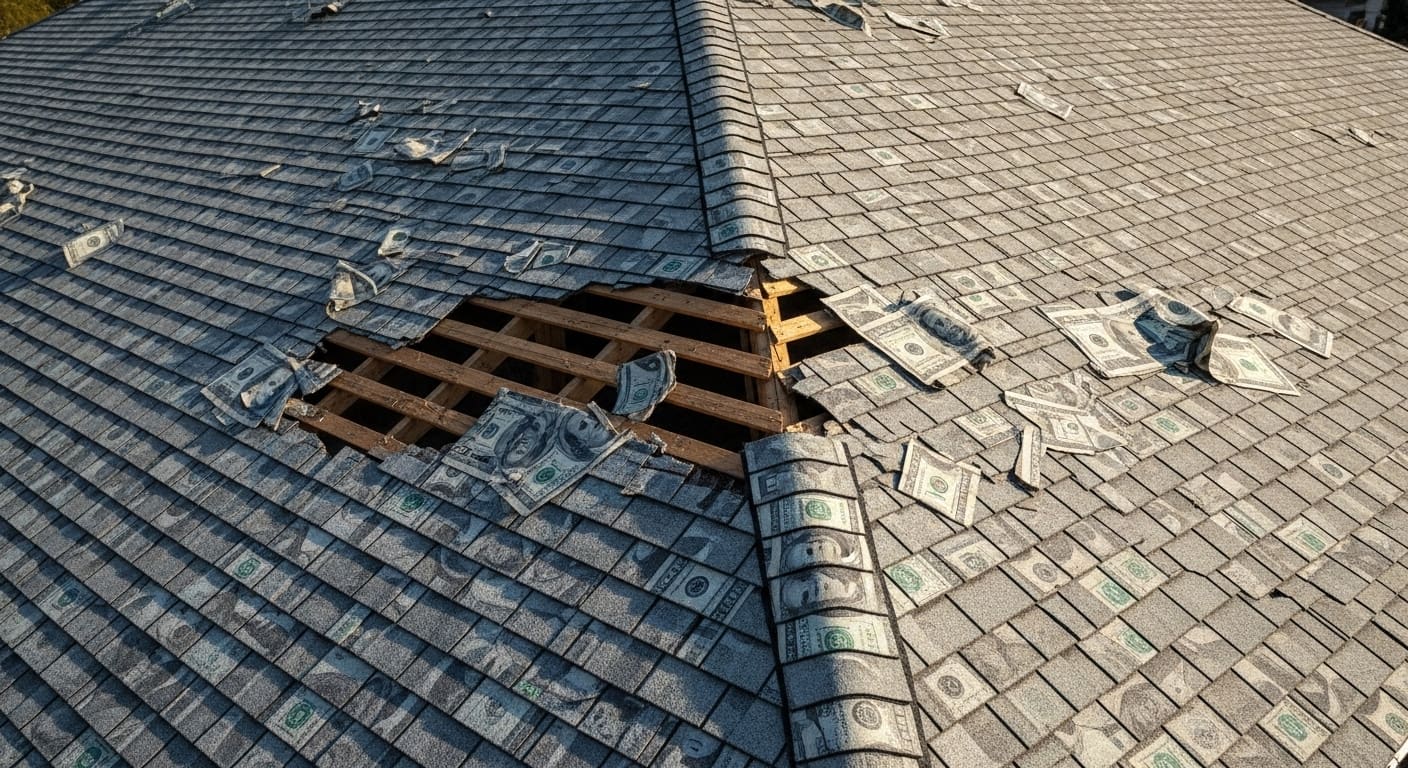
If your roof has storm damage, you might consider emergency shrink wrap for protection. Costs vary, averaging $3 to $8 per square foot based on roof size, accessibility, and urgency. Although tarps appear cheaper, they often fail, resulting in further damage and costs. Investing in professional shrink wrap offers essential protection and peace of mind. Don’t wait—learn more about this solution today!

When a storm damages your roof, the first 24 to 48 hours are vital for your safety and property. Feeling overwhelmed is normal, but knowing the right steps can help. From assessing damage safely to calling a professional crew, each action you take can protect your home and support your insurance claim. Don’t let the chaos of a storm dictate your response—learn how to handle roof damage effectively, ensuring your home remains secure.
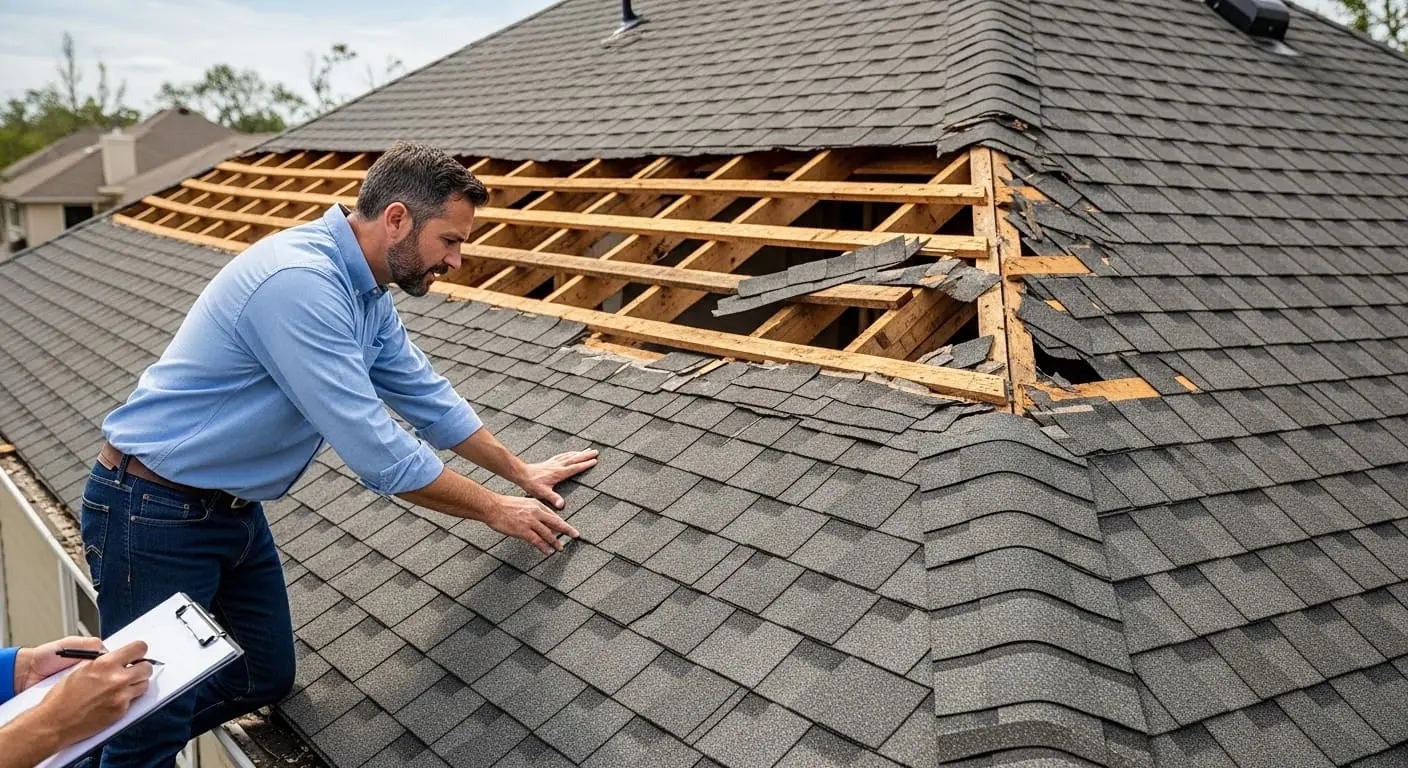
After a storm, your insurance adjuster is vital to your recovery. Ensure proper temporary roof protection, as not all roof wraps meet insurance standards. Learn what adjusters seek in shrink wrap installations, including proof of mitigation and professional compliance. Choosing a qualified service can protect your home and claim. Don’t leave your recovery to chance—read on to learn how to do it right!
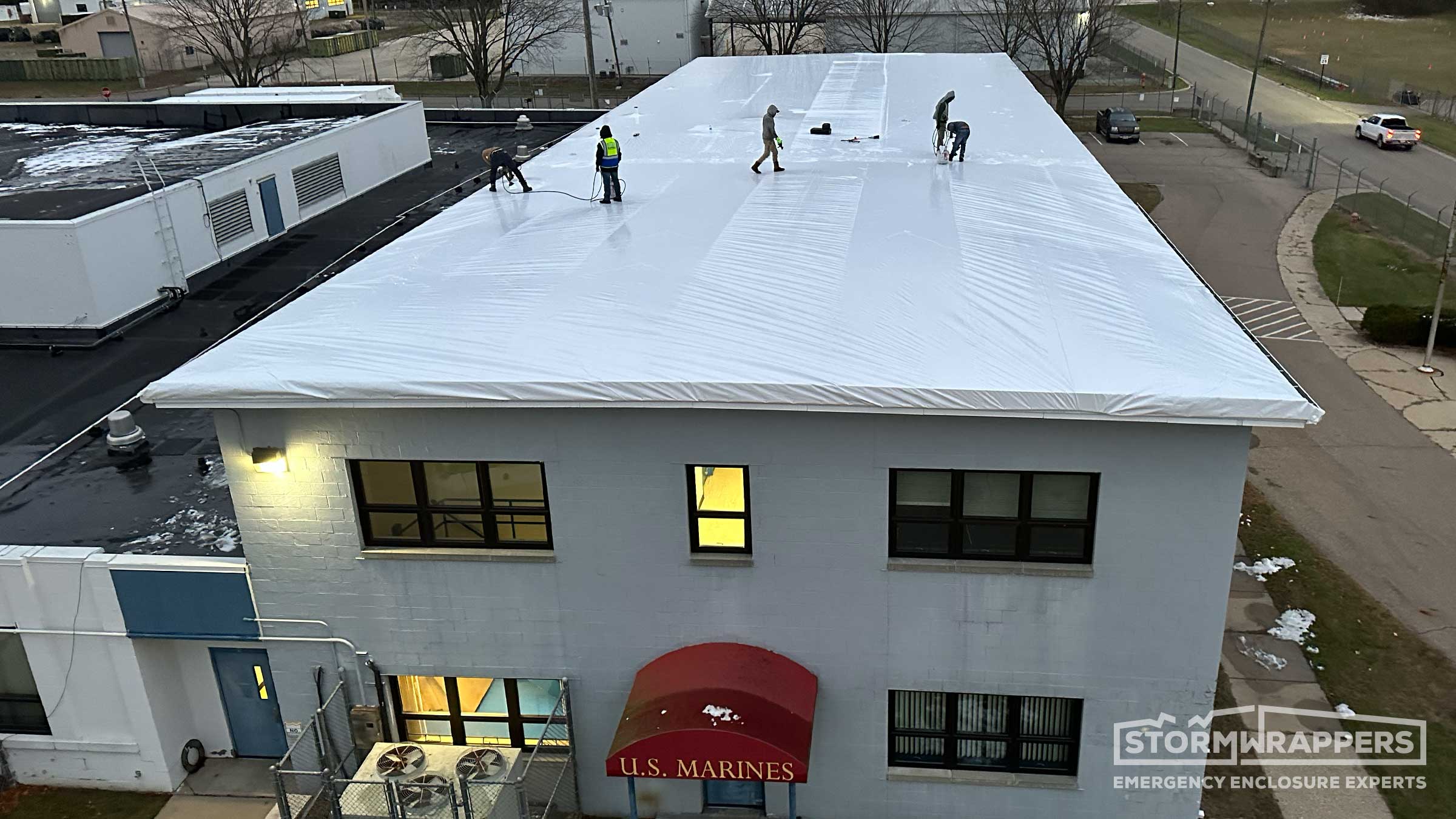
What does a properly wrapped roof look like? Post-storm homes with flapping tarps highlight the difference. A professional roof wrap should be tight, even, and wrinkle-free to prevent water intrusion. Clean anchoring and coverage of damaged areas are crucial, and a pro crew ensures safety and documentation of their work. Learn the key elements of a quality roof wrap and what to expect from your roofing professionals!
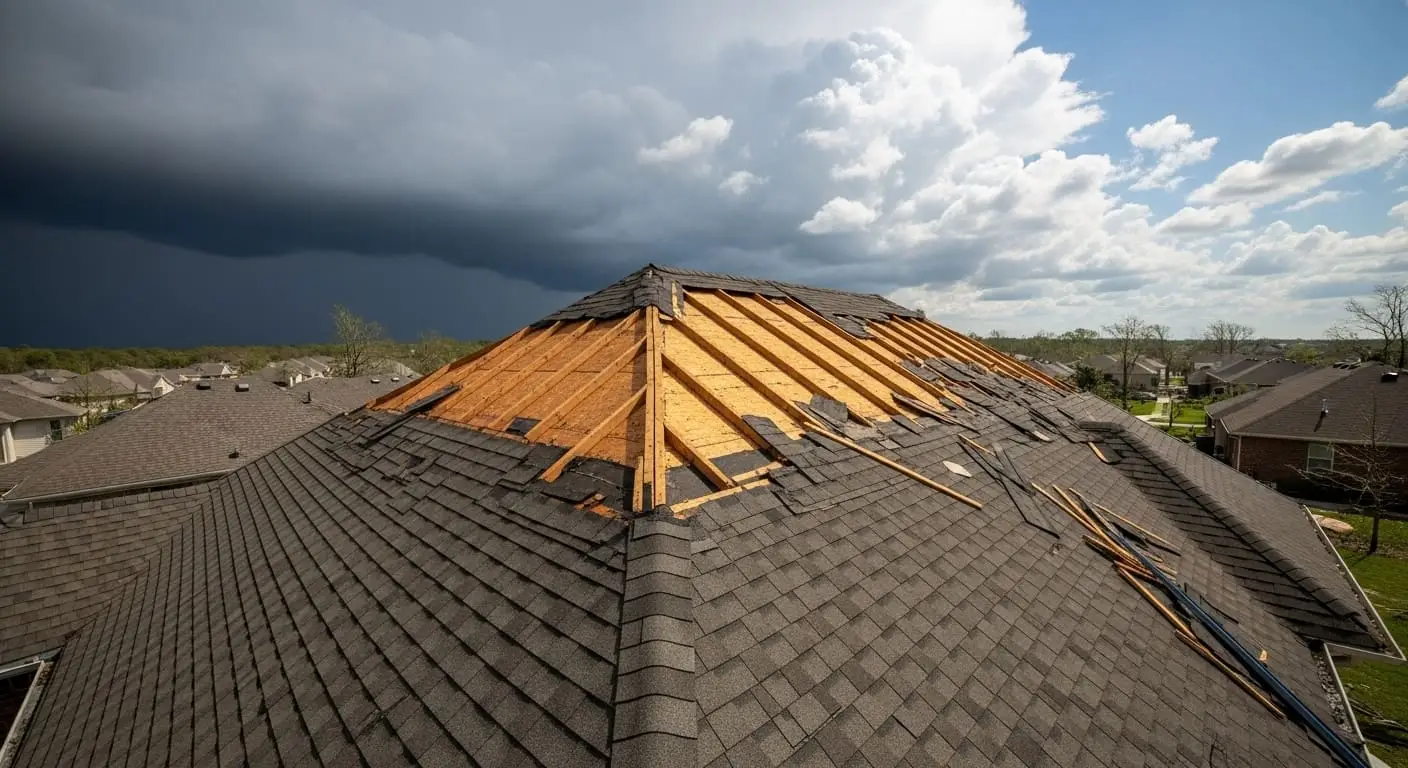
After a major storm, the clock starts ticking — you have a critical 48-hour window. Swift action in these first two days can mean the difference between recovery and costly setbacks. Water damage spreads quickly, insurance policies require prompt action, and protective measures can safeguard your claim. Discover why shrink wrap protection is your best ally in preventing further damage and speeding up recovery. Don’t let mold and delays derail your plans; learn how to take control and effectively protect your home.

Are you wondering if you need to leave your building during a roof wrapping project? Good news! In most cases, you can stay put. Our shrink wrap installations are done entirely from the outside, ensuring minimal disruption to your daily life. Whether you’re a business owner or a family, we prioritize your safety and comfort. Curious about how we make the process seamless? Read on!