Why Quick Action Matters: The First 48 Hours After Roof Damage
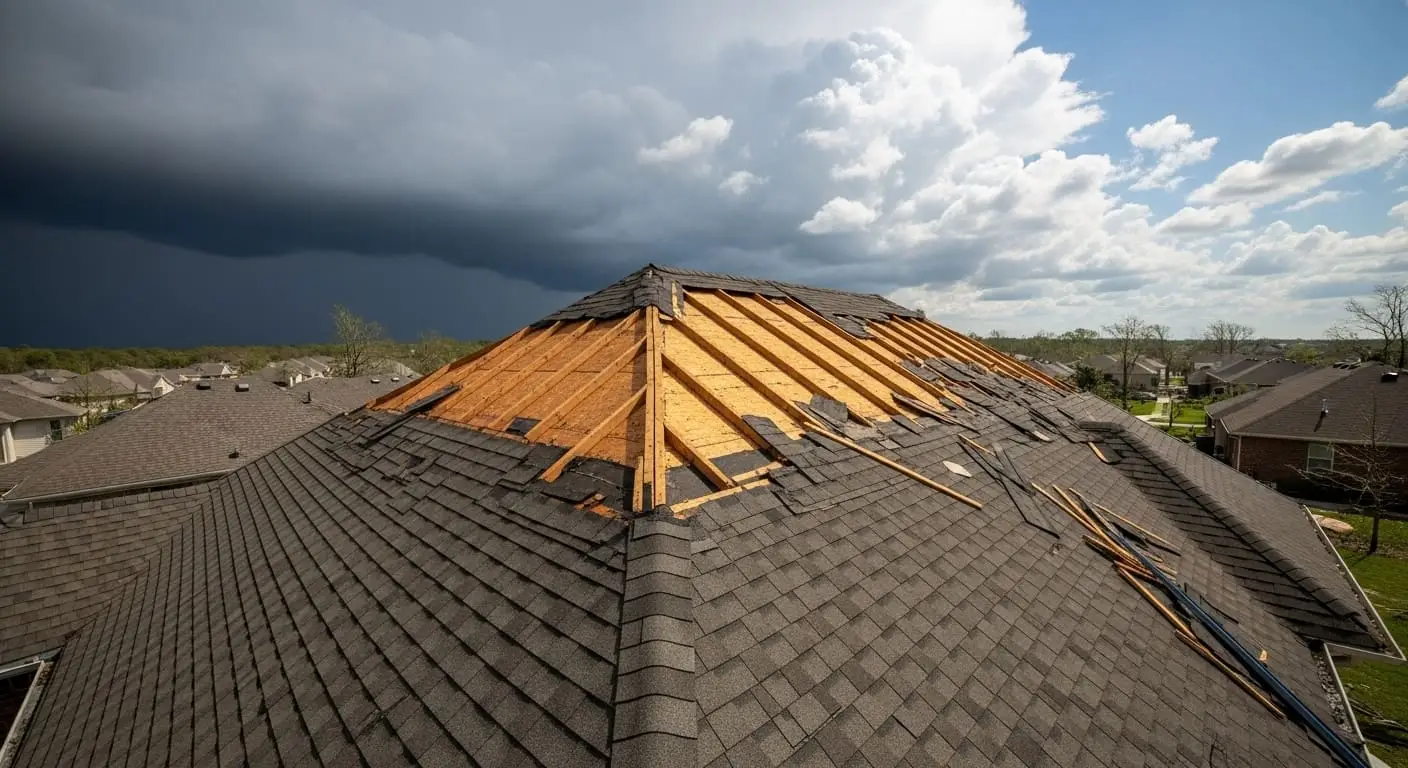
Storm damage isn’t just about what happened during the storm — it’s about what happens next. The first 48 hours after roof damage can determine

Storm damage isn’t just about what happened during the storm — it’s about what happens next. The first 48 hours after roof damage can determine

Disaster recovery starts long before the wind picks up. For property managers, municipal planners, and institutional facilities, the smartest strategy isn’t just responding fast —

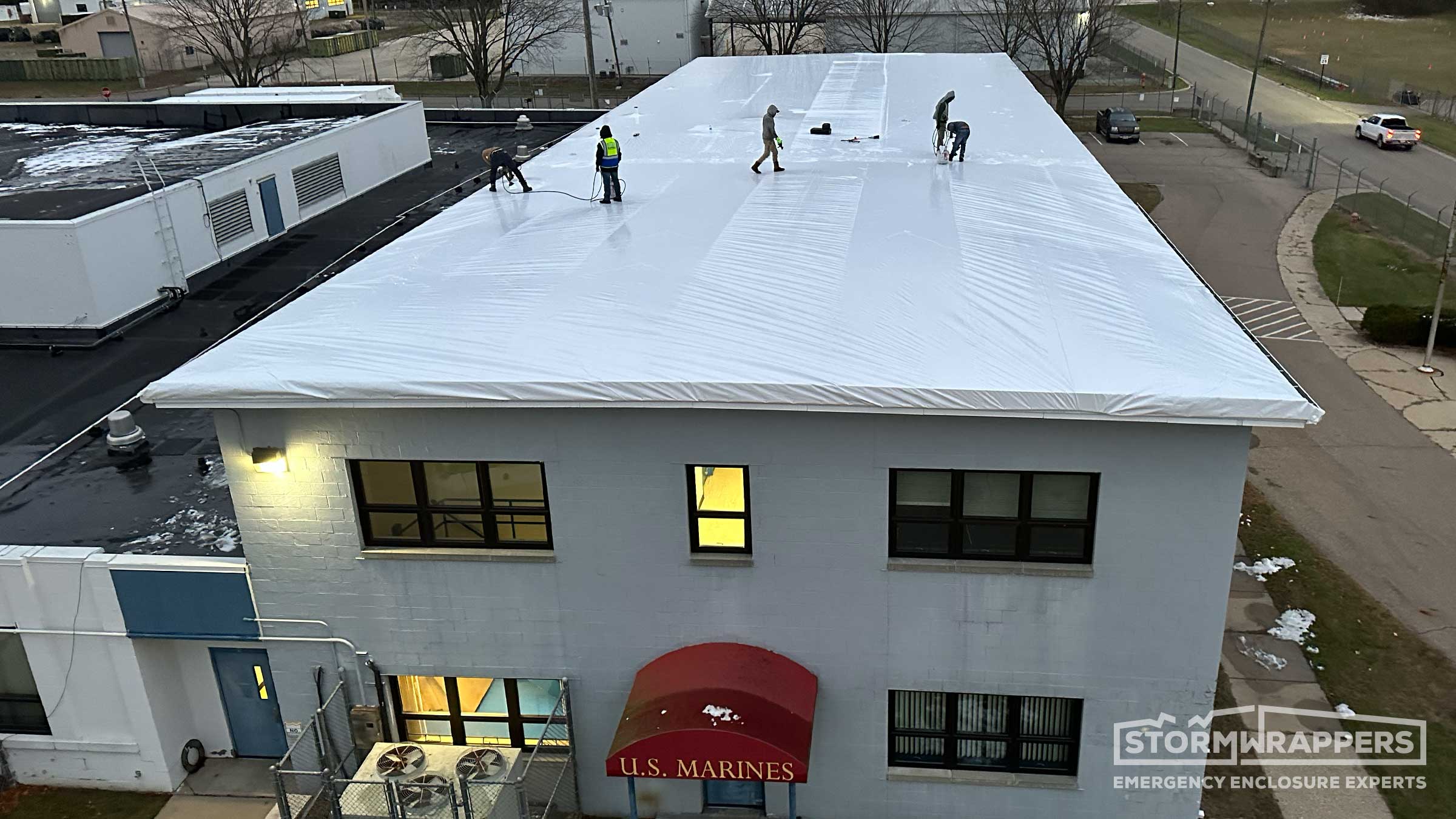
Traditional temporary solutions like blue tarps may seem convenient, but they often fall short, leading to costly repairs and unsightly appearances. Enter StormWrappers: our innovative shrink wrap technology offers rapid deployment, exceptional waterproofing, and superior wind resistance, ensuring your property remains protected while permanent repairs are underway. Discover how our cost-effective solution not only minimizes damage but also enhances tenant satisfaction and maintains your property’s professional image. Don’t settle for temporary fixes—explore the long-term benefits of shrink wrap for your commercial roof repair needs!

While many of these tips can be implemented by property owners themselves, we’ll also highlight some tasks best left to professionals like Stormwrappers.

This comprehensive guide will help you navigate through the various roofing materials available in the market and their respective wind resistance properties.

It’s essential to recognize when your roof’s functionality is compromised and when replacement becomes a necessity. Here are five key indicators that it may be time to replace your roof.

Here are some proactive steps you can take before the roofing company arrives to handle the situation.

Facing the force of dust storms, blue tarps act as a protective measure when faced with a dust storm. But how effective are they in safeguarding your property?

Identifying and addressing roof leaks promptly is crucial for maintaining the integrity and safety of your property.

This article examines the top five roofing materials, considering factors like durability, cost-effectiveness, and aesthetics, to guide homeowners in making an informed decision.