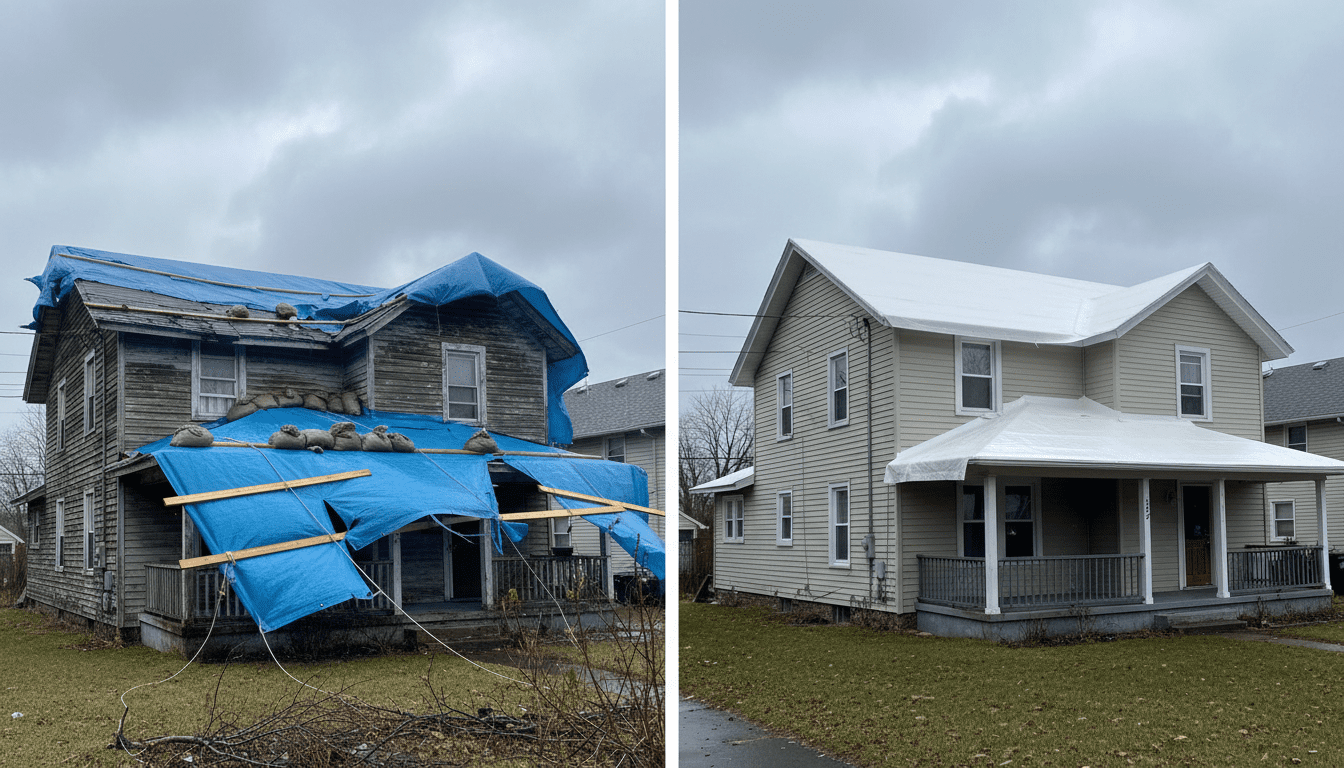

Homeowner’s Guide: Immediate Steps After Storm Damage
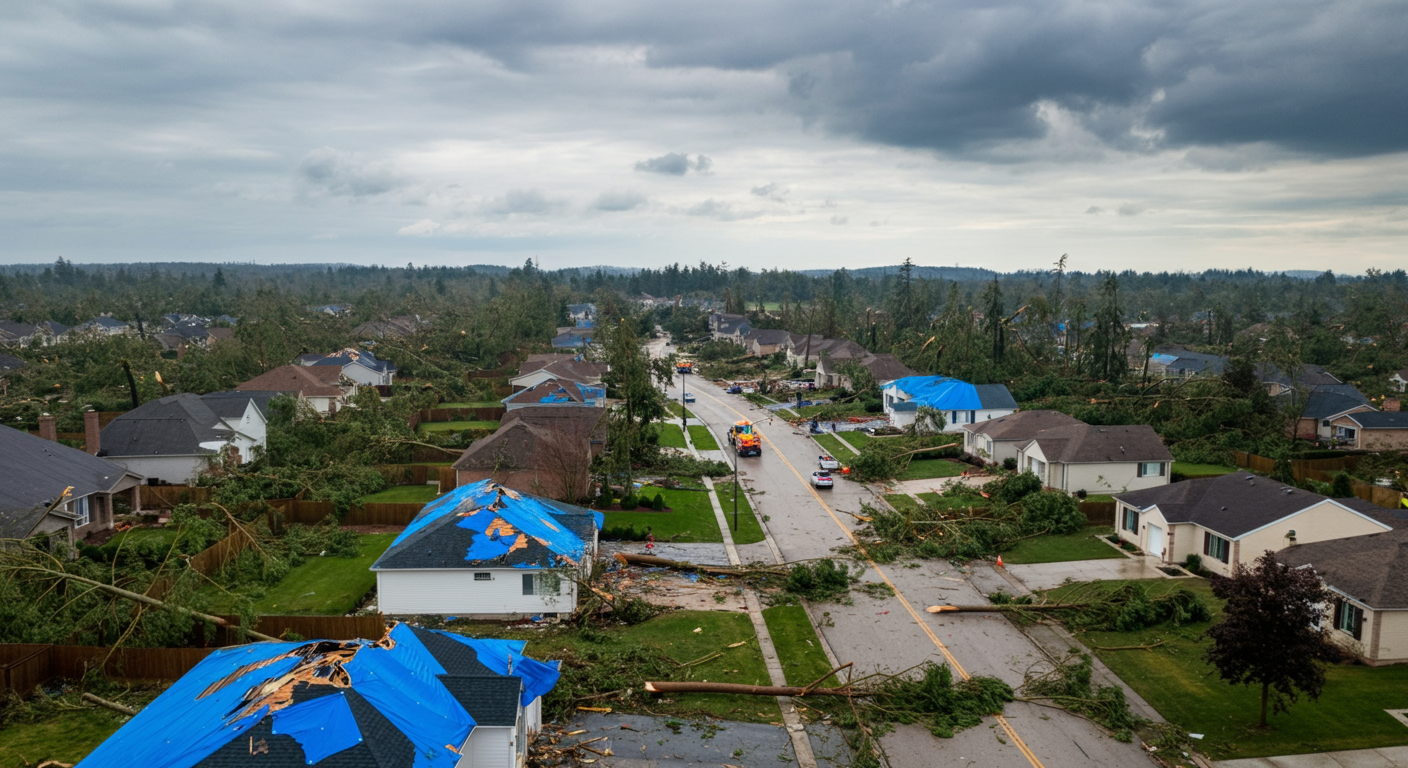
The storm has passed, but your roof is leaking. Water is pooling near the entryway. Shingles are scattered across the lawn. What now? When you’re

The storm has passed, but your roof is leaking. Water is pooling near the entryway. Shingles are scattered across the lawn. What now? When you’re

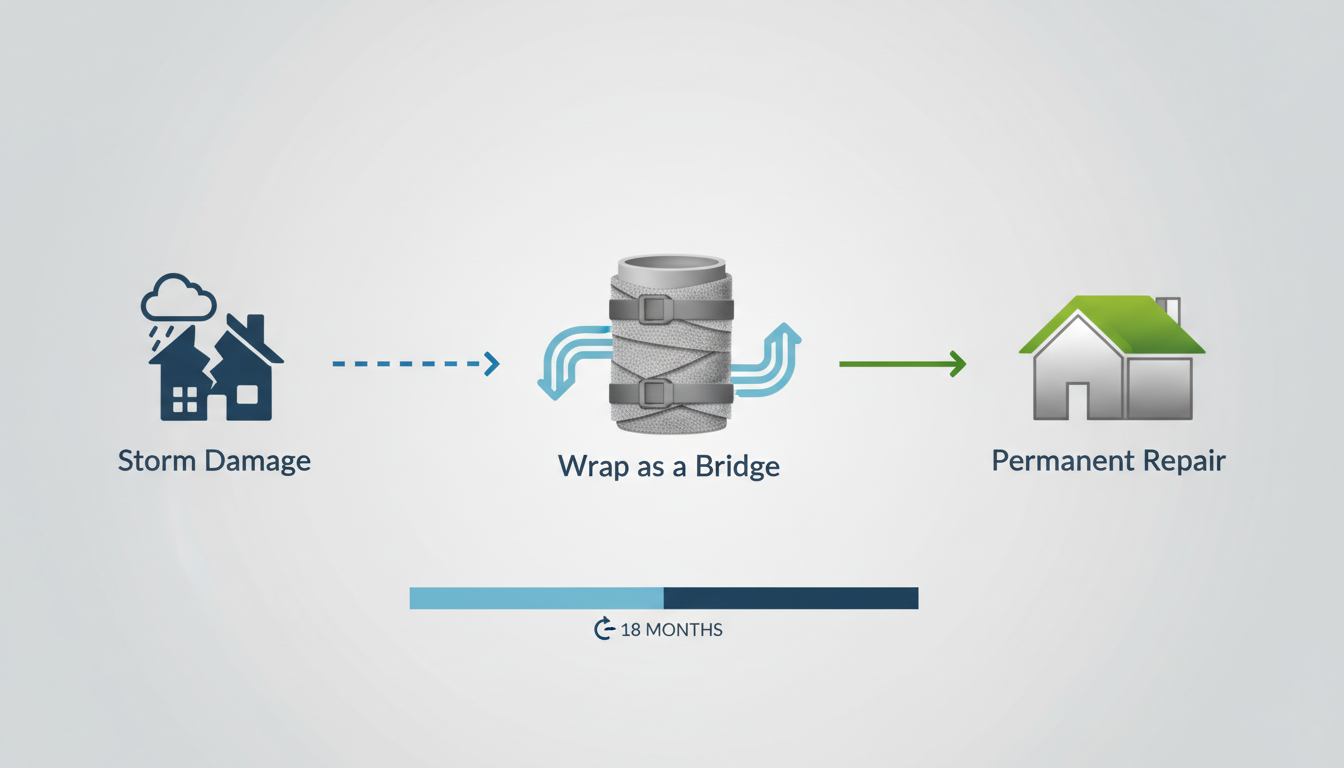
Key Takeaway: For property managers, emergency shrink wrap offers a reliable, scalable, and cost-effective solution to protect multiple assets after storm damage. It minimizes liability,

Severe storms can wreak havoc on our properties and the environment, making the choice of repair solutions crucial. Discover how StormWrappers’ innovative shrink wrap technology not only provides superior protection against further damage but also promotes long-term sustainability. Unlike traditional methods like blue tarps, shrink wrap minimizes waste, prevents mold growth, and conserves valuable resources. By opting for this environmentally conscious approach, you can safeguard your property while contributing to a healthier planet. Explore the sustainable advantages of shrink wrap for storm damage repair and learn how you can make a positive impact on your community and the environment.

This article explores the various ways in which faulty gutters can lead to significant problems for homeowners and the importance of maintaining these essential components of your home’s exterior.

Here are the top 5 warning signs that your gutters need a replacement.

The process of wrapping your roof can provide a barrier against this moisture, thereby reducing the risk of moss and algae growth and the subsequent damage they can cause.

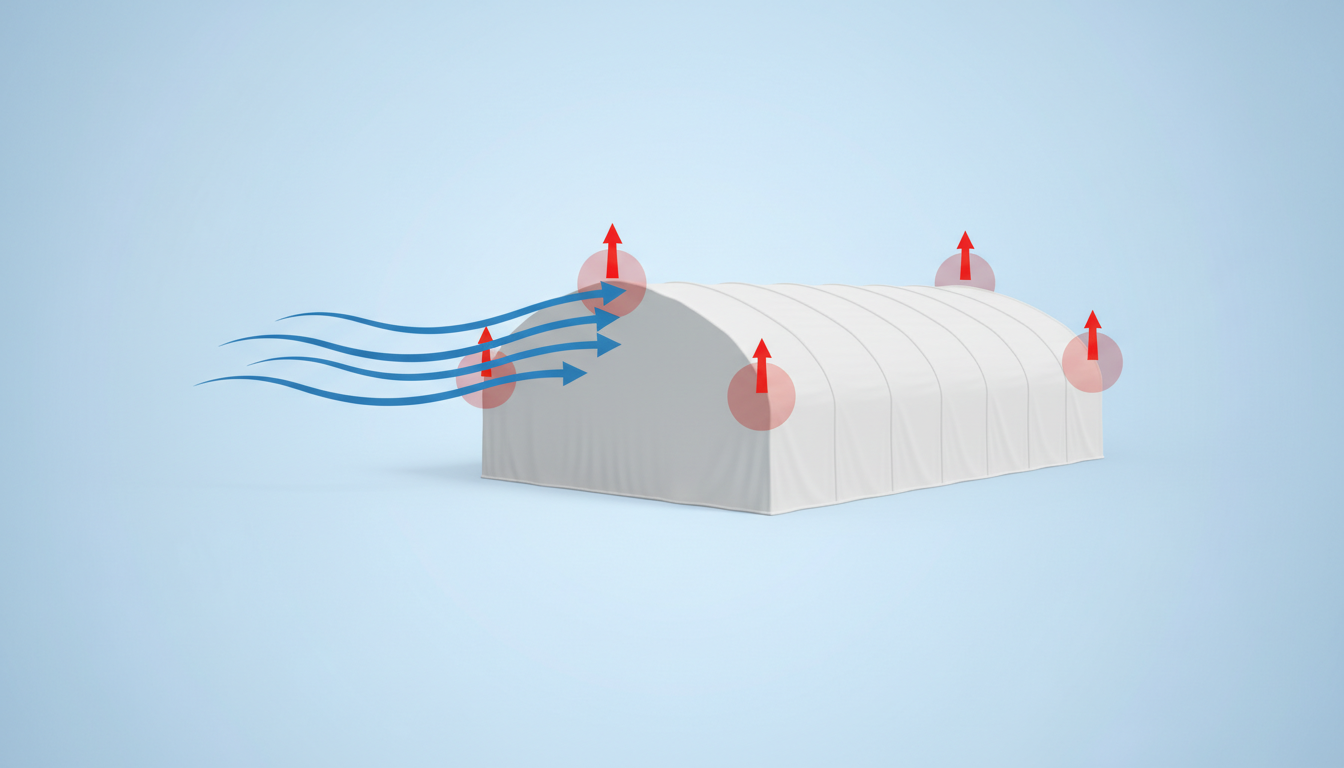
High winds can wreak havoc on your roof, leading to significant damage. This article will delve into five ways that wind can cause significant damage to your roof.

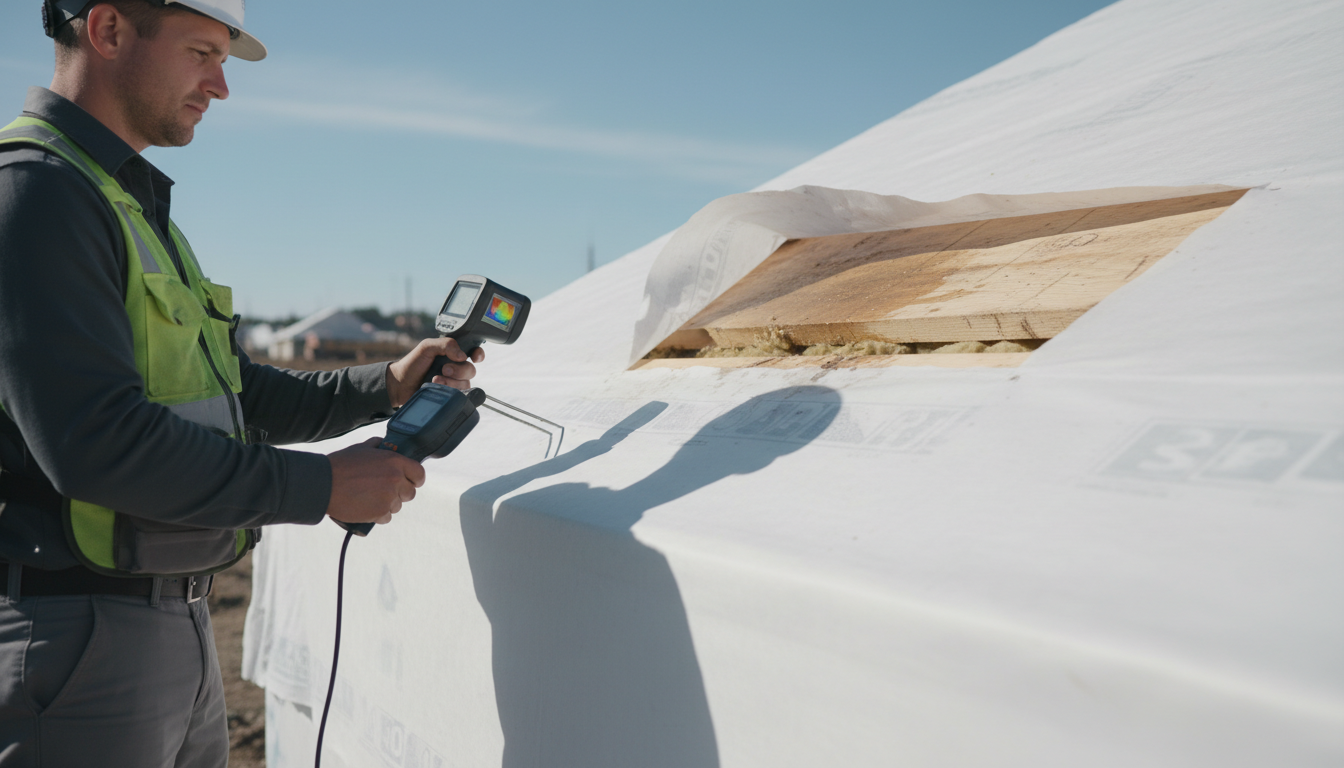
This process can seem daunting, but by breaking it down into manageable steps, homeowners can navigate their way through it efficiently. Here are five key steps to a comprehensive wind damage assessment.

It’s important to remember that while these steps provide a good starting point, professional inspection and assessment are often necessary for a complete understanding of the roof’s condition.

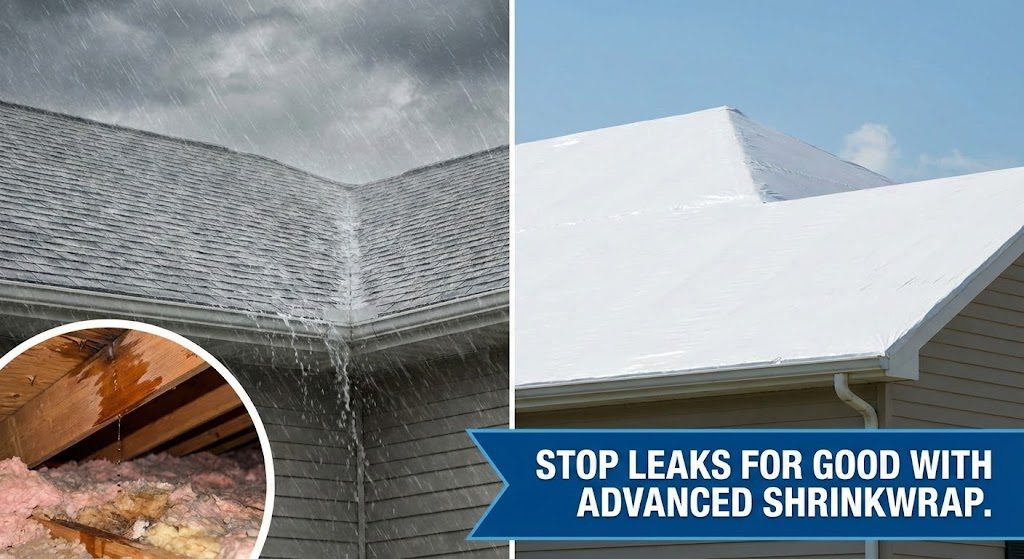
With proactive measures and regular maintenance, you can prevent leaks and ensure a dry, safe living environment.