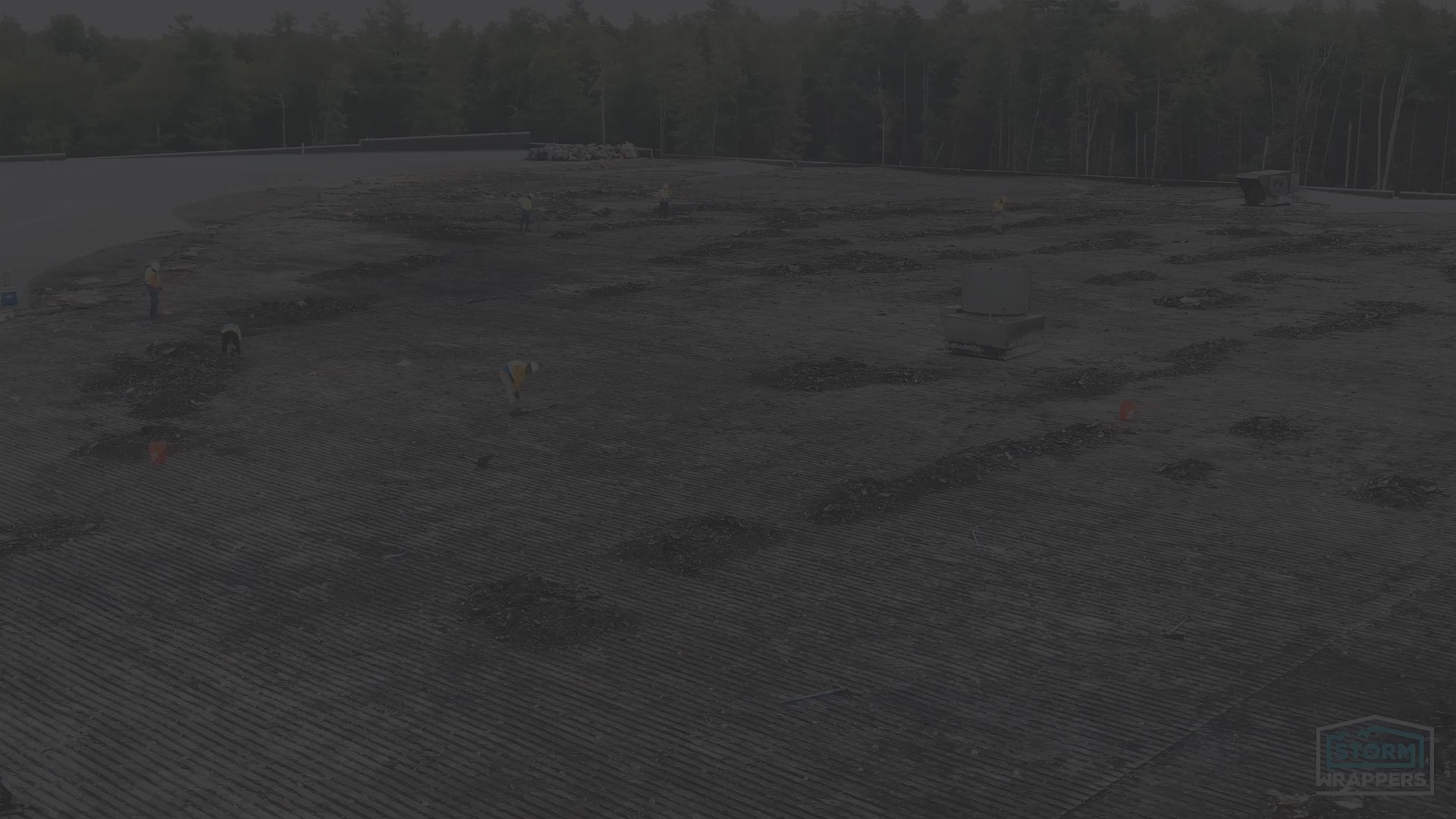

Hail Damage Roof Wrap: What to Do When Spring Storms Leave Impact Damage Behind
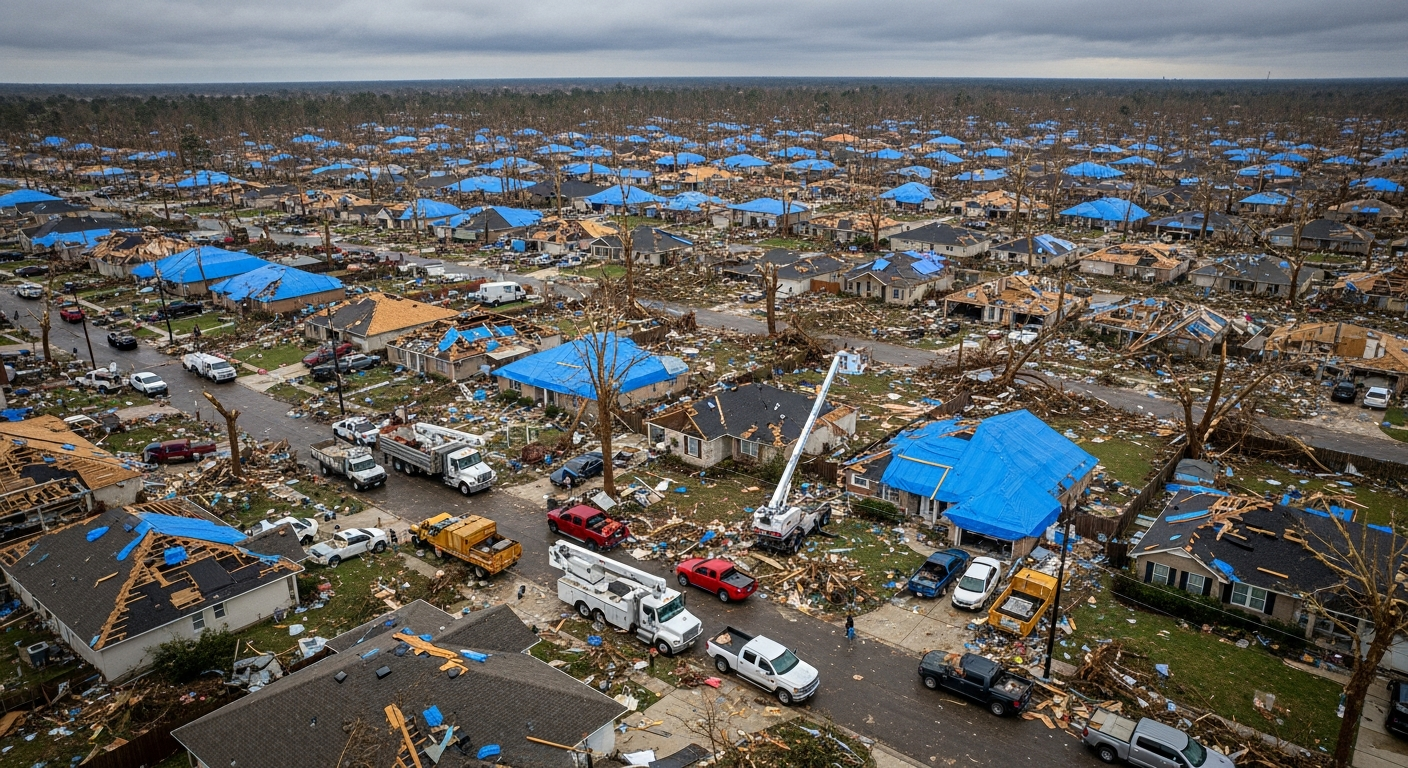
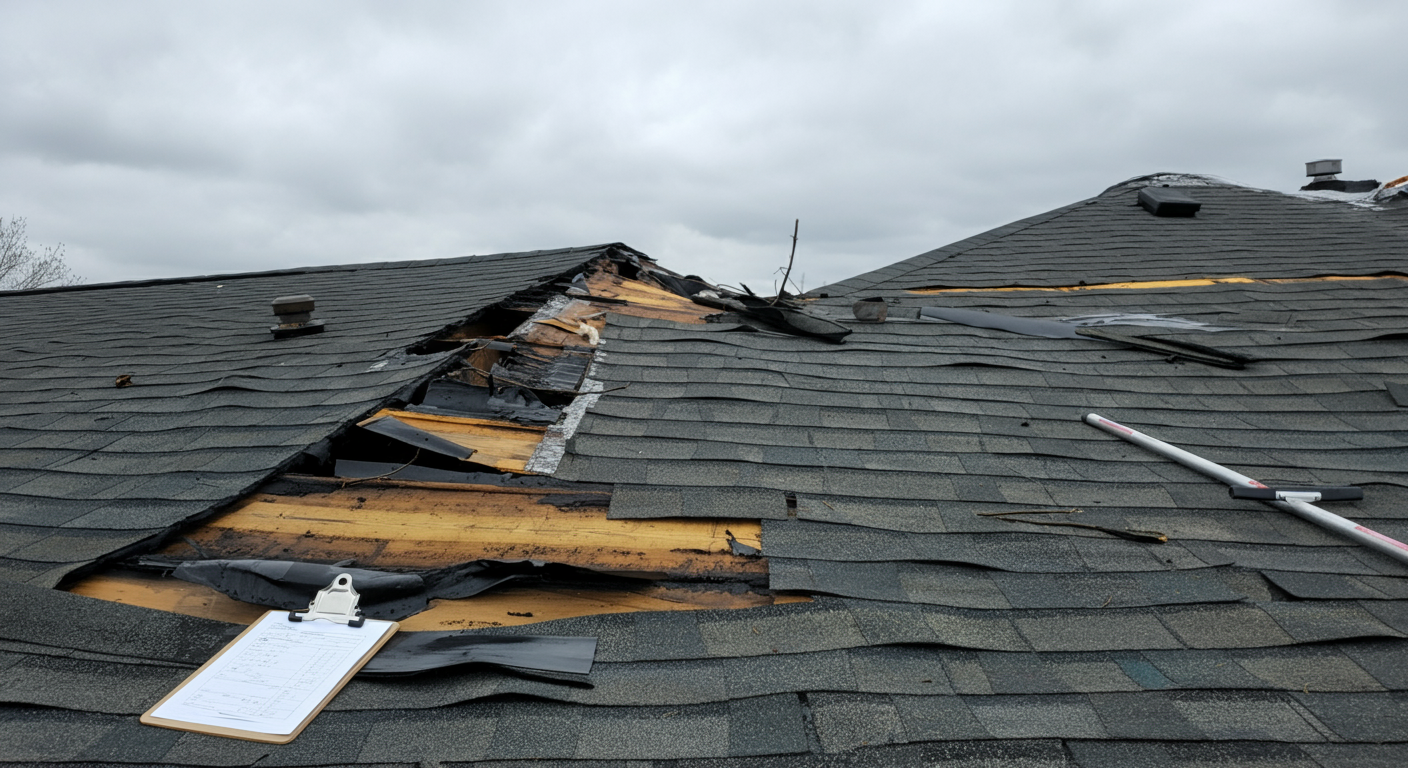
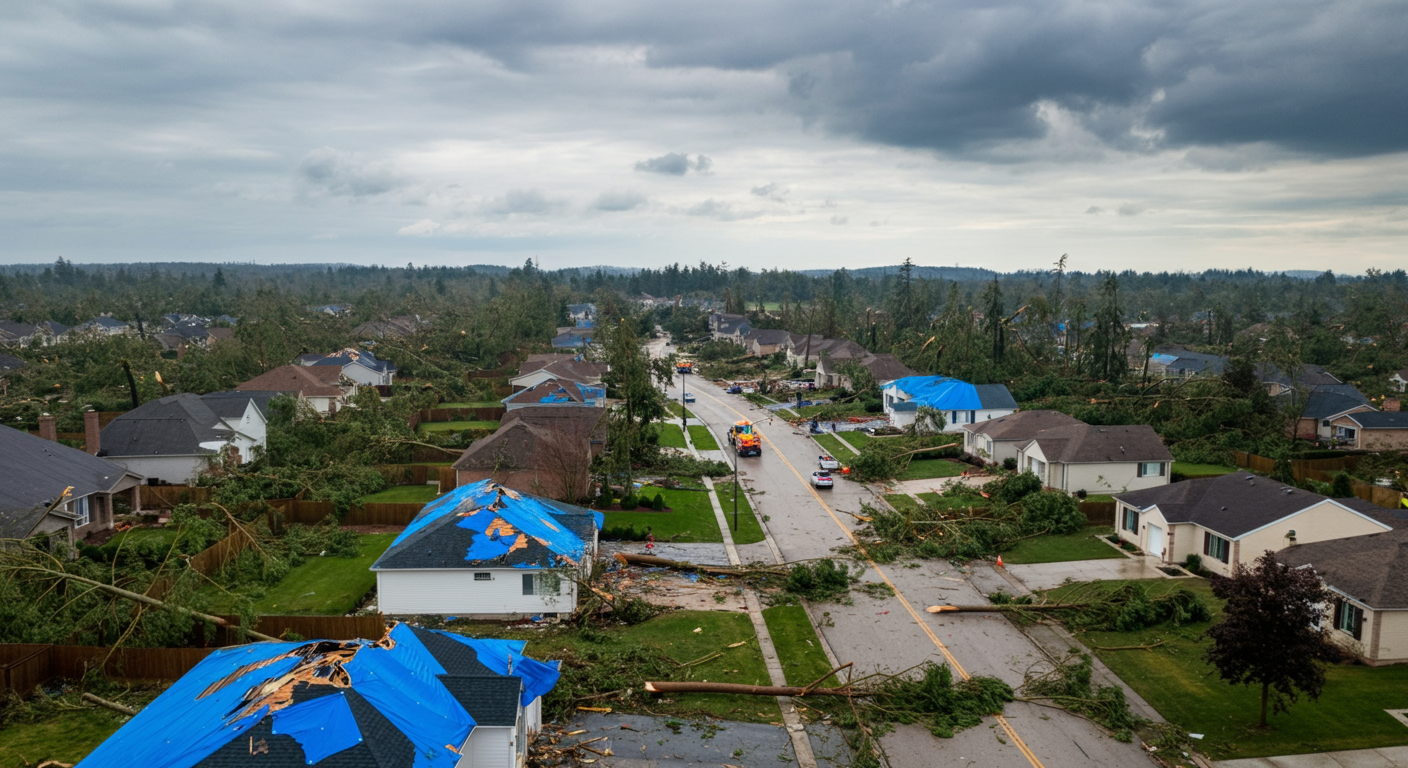
Hail damage is one of the most common reasons for emergency roof wraps in spring. What hail does to your roof, when you need a wrap, and how to document for insurance.

Hail damage is one of the most common reasons for emergency roof wraps in spring. What hail does to your roof, when you need a wrap, and how to document for insurance.

What to expect when you call StormWrappers. Our 4-step mobilization protocol: Assessment, Material Logistics, Crew Deployment, and Completion timeline.

Professional shrink wrap roofs last 3–12 months depending on film spec, UV exposure, and climate. How to assess your wrap’s condition and when to renew before it fails.

Subcontracting for military base disaster recovery. Understanding UFC codes, security clearances, and 12-mil shrink wrap requirements for DoD facilities.

Spring rain delays are costly on construction sites. Shrink wrap building enclosures let interior work continue in wet weather — how they work and when they make economic sense.

Financial comparison for CFOs and Facility Managers. Calculating the Return on Investment (ROI) of shrink wrap vs tarps considering business continuity and secondary damage.

Insurance covers emergency roof wrap when you follow the right process. What documentation you need, how to submit the claim, and why StormWrappers’ documentation package makes it easier.

Emergency roofing guide for HOAs and Condo Boards. How to manage displacement, insurance claims, and bulk shrink wrapping for multi-family complexes.

Apartment complex storm damage means displaced residents, insurance pressure, and revenue loss. How StormWrappers provides rapid emergency enclosures for multi-family properties.

Protecting healthcare facilities during roof repairs. How shrink wrap meets ICRA standards for infection control and prevents Aspergillus mold in hospitals.