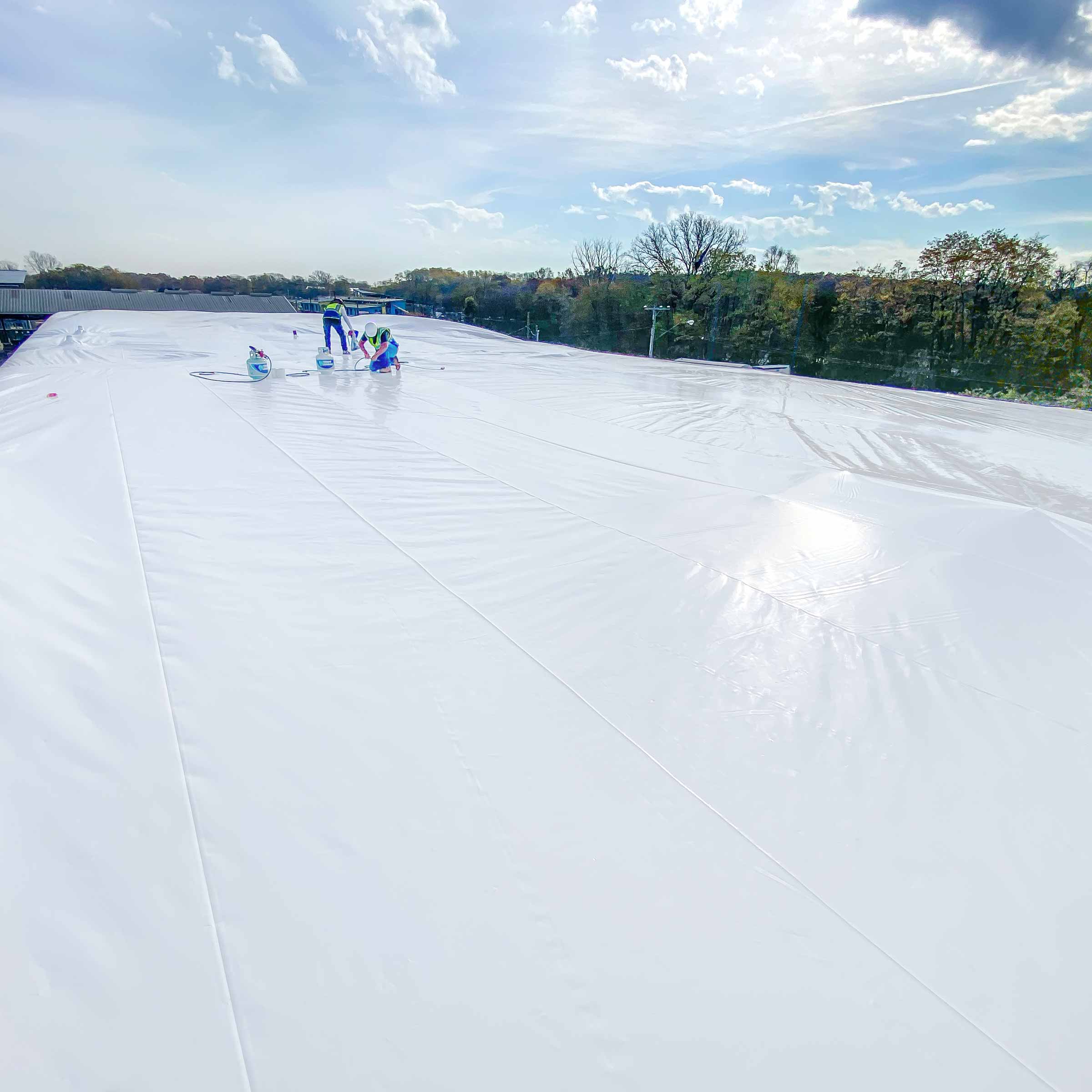
The Role of Shrink Wrap in FEMA Public Assistance Projects
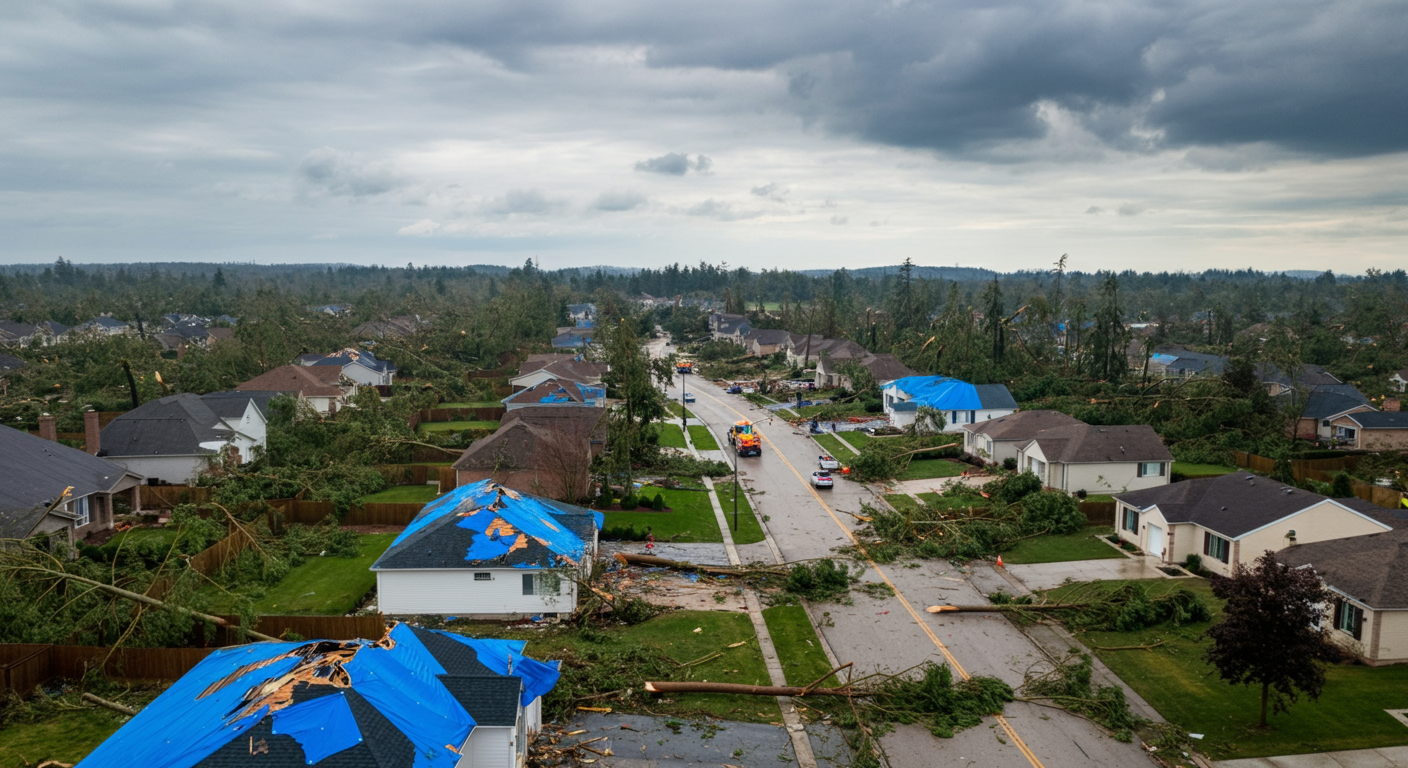
FEMA Public Assistance grants for emergency protective measures can cover the cost of temporary shrink wrap enclosures when properly documented. Here is what applicants need to know.


FEMA Public Assistance grants for emergency protective measures can cover the cost of temporary shrink wrap enclosures when properly documented. Here is what applicants need to know.
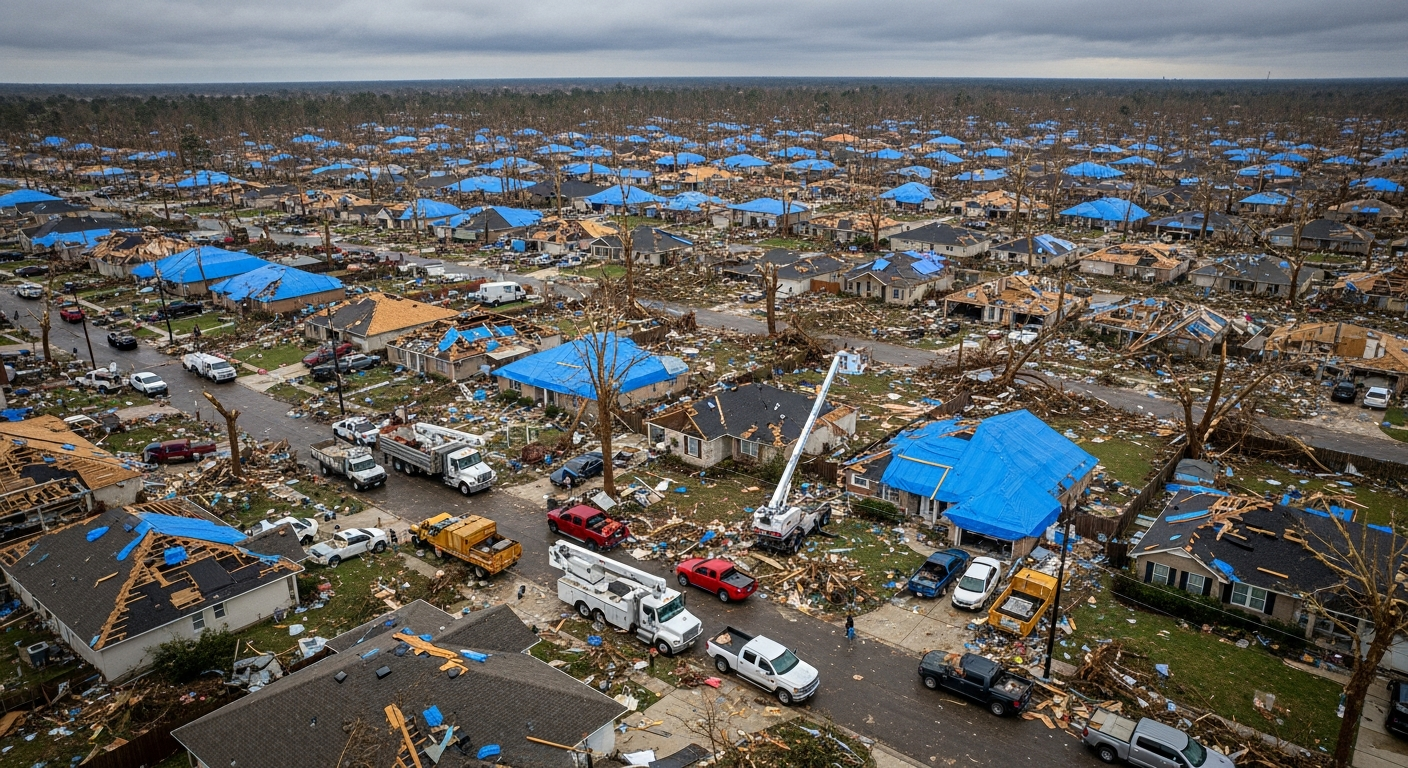
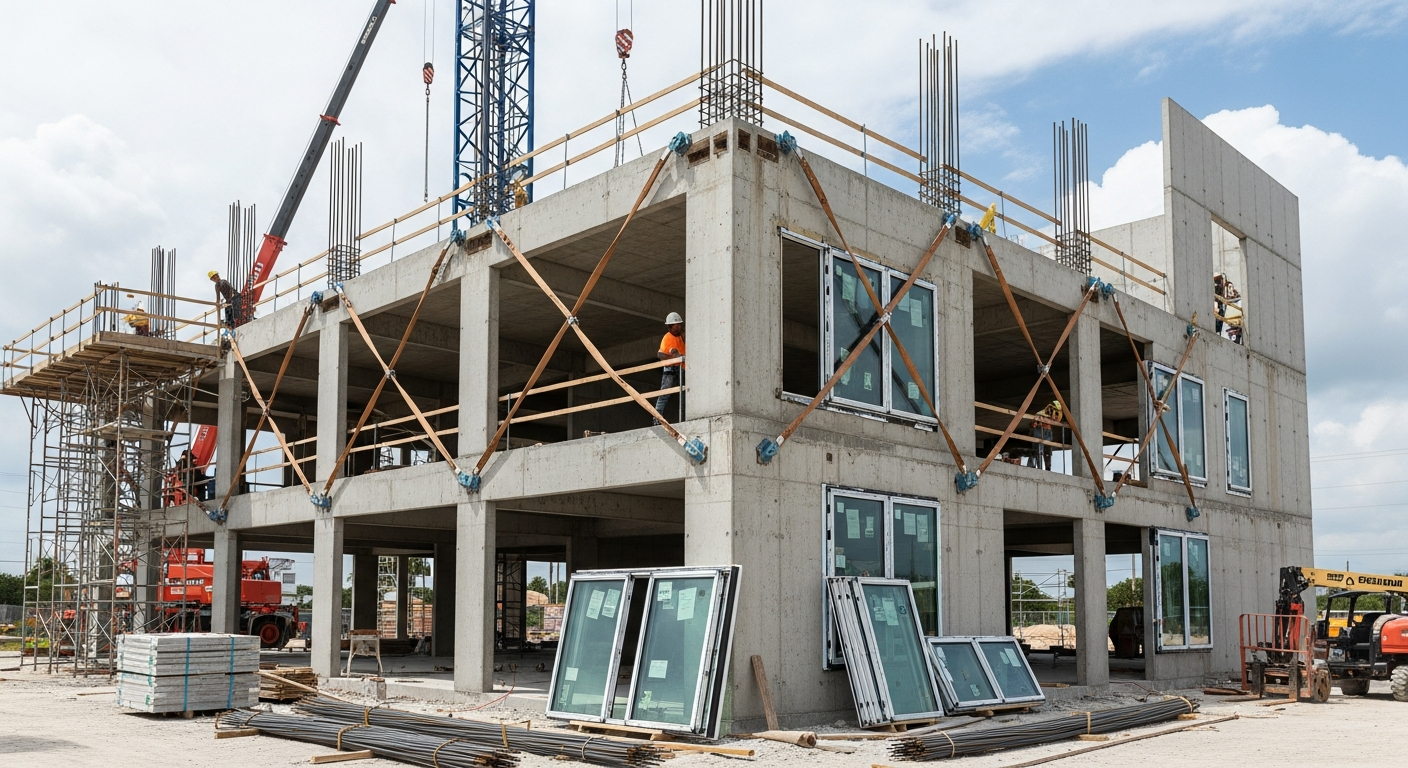
Storm damage to occupied multi-family buildings creates a dual challenge: protect the structure and maintain habitability for residents. Here is how StormWrappers approaches occupied building enclosures.

Wind-driven rain at angles of 45 degrees or more penetrates building envelope details that easily shed vertical rainfall. June thunderstorm cells routinely produce these conditions.

Shrink wrap enclosure work in petrochemical and refinery environments requires specialized material selection, permitting, and crew certifications beyond standard construction applications.

How long will the shrink wrap be needed? A realistic framework for temporary enclosure duration planning for residential and commercial projects.

A shrink wrap enclosure protects against external weather. Interior moisture management is equally critical for preventing secondary mold and structural damage.

Emergency shrink wrap installation is a documented mitigation action that insurers expect and reward with faster, more complete claim settlements.

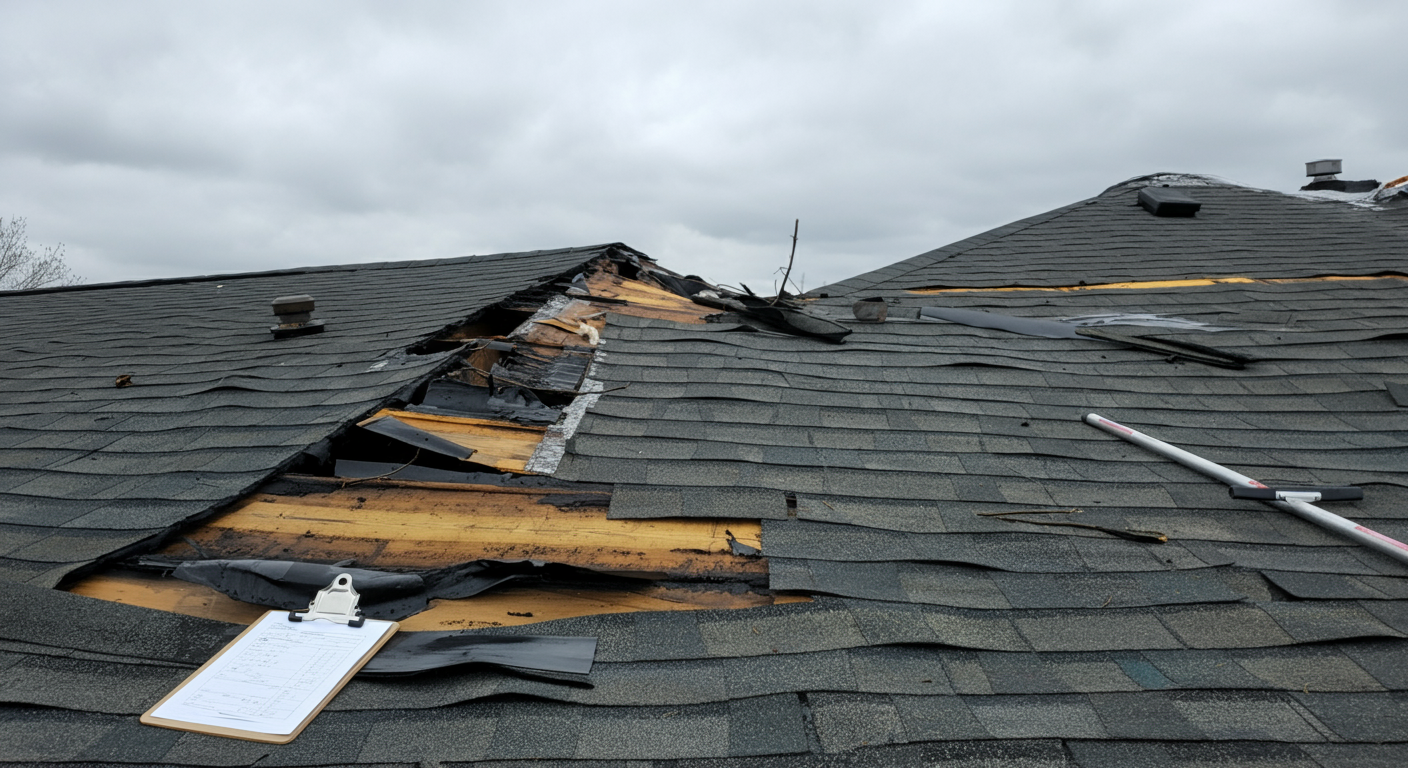
After a June severe weather event, property managers can perform a preliminary roof condition assessment to prioritize emergency response before a contractor arrives.

Gauge selection for a temporary enclosure directly affects wind load performance, UV resistance, and project economics. Here is how to choose correctly.
As Western states enter peak fire season in June, shrink wrap enclosures offer a temporary ember-resistant barrier for structures in the wildland-urban interface.