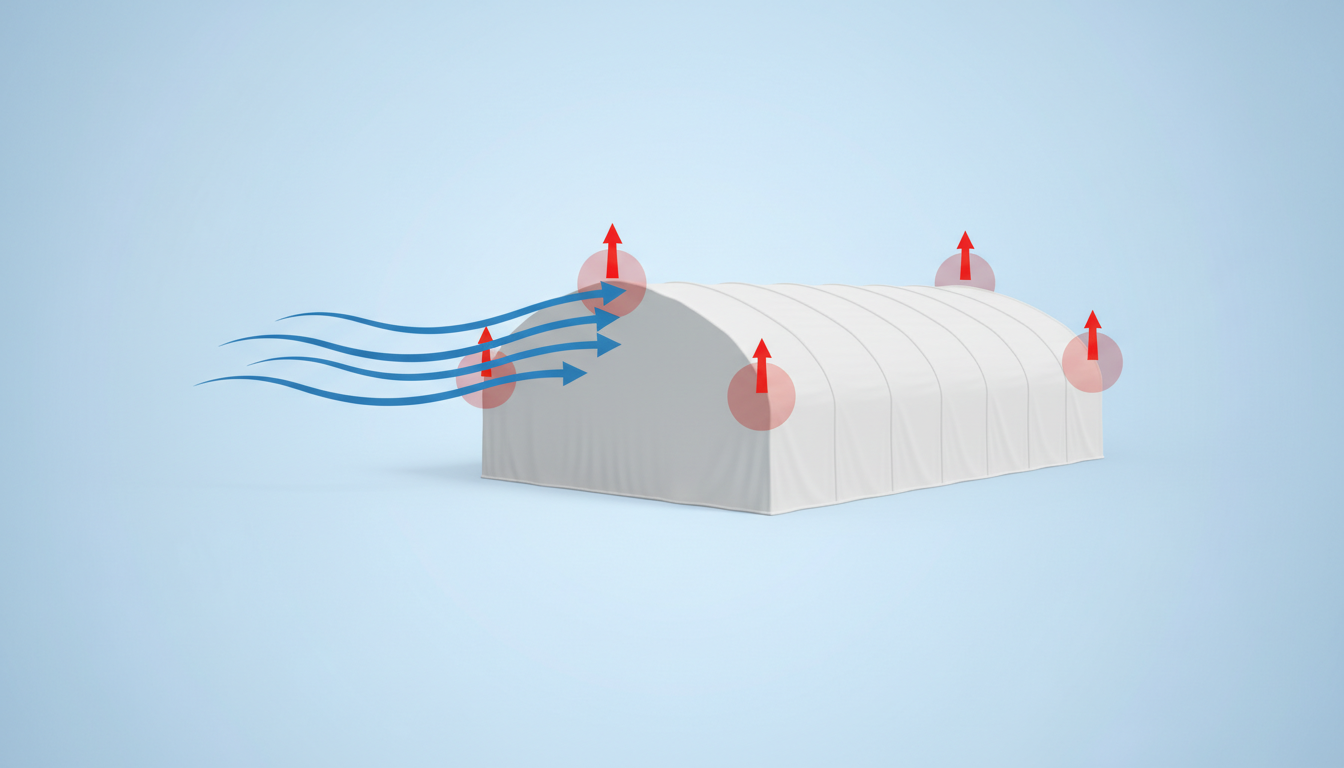
Damage
Wind Resistant Roofing Materials: What Homeowners Need to Know After Storm Damage
Understand wind resistance ratings for roofing materials, what fails first in storms, and why a temporary dry-in is the bridge to a better roof.

Understand wind resistance ratings for roofing materials, what fails first in storms, and why a temporary dry-in is the bridge to a better roof.
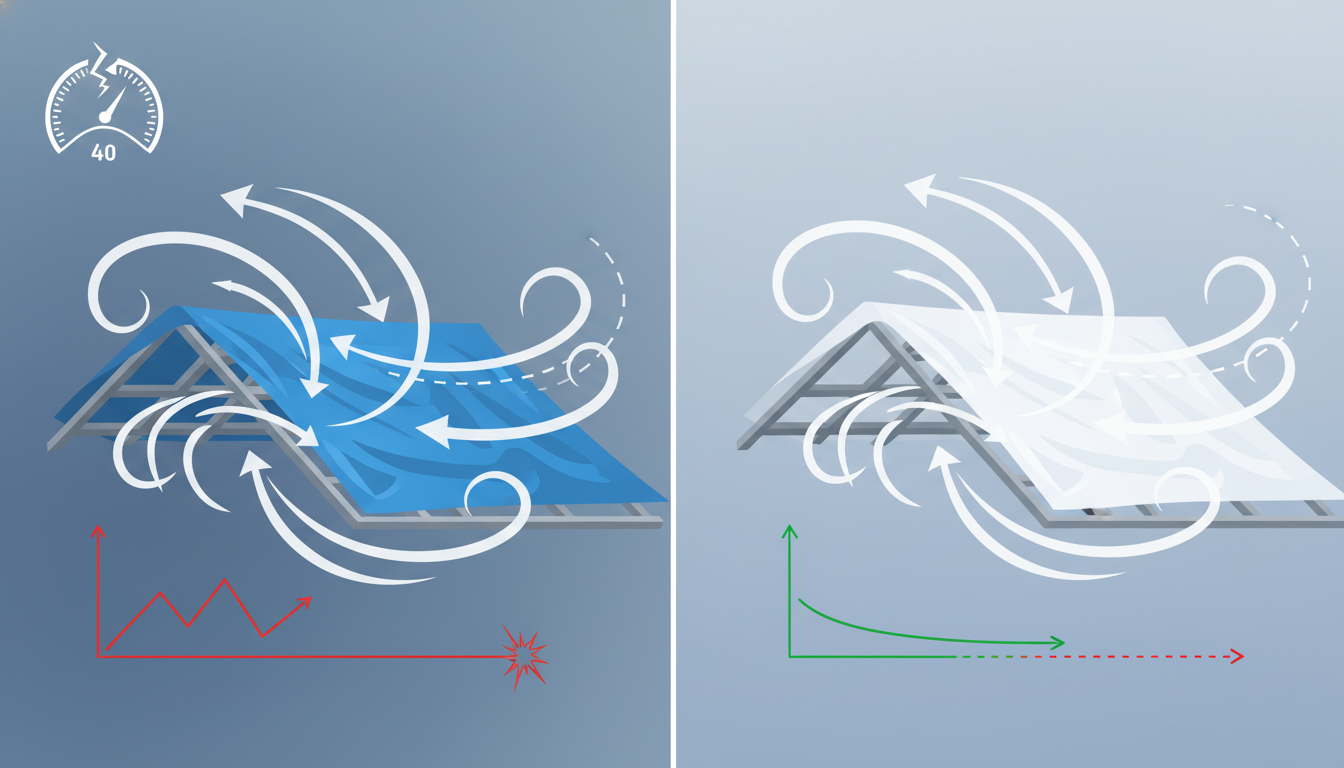
Blue tarps are ubiquitous after storms — but why blue? And more importantly, why professional shrink wrap outperforms them for serious roof protection.
Emergency enclosures and roof tarps are not the same — one is a temporary fix, one is engineered protection. Here is how to choose based on your situation.
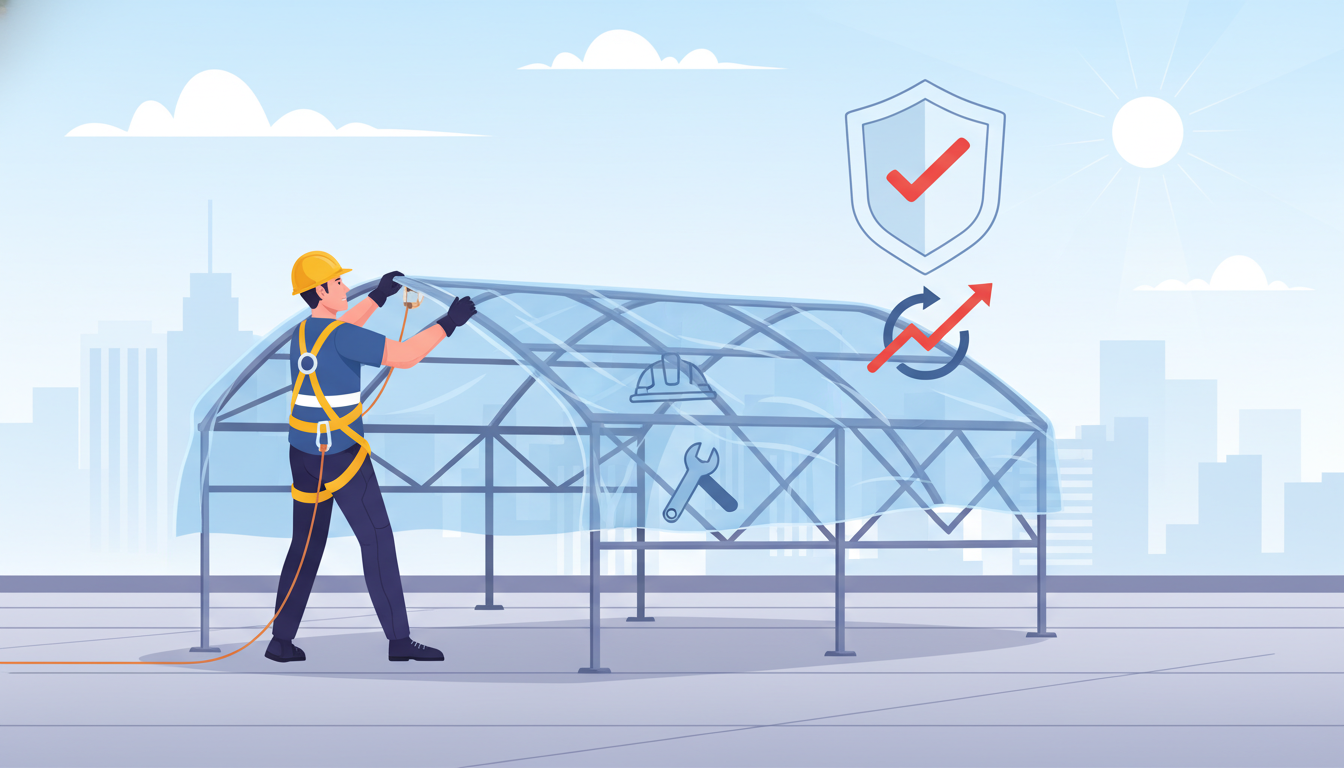
A professional roof dry-in involves more than covering damaged areas. Here is the full process StormWrappers crews use: assessment, stabilization, and shrinkwrapping.

Protect your home or commercial property during hurricane season with rapid shrink wrap installation. Learn timing, preparation, and what to expect.
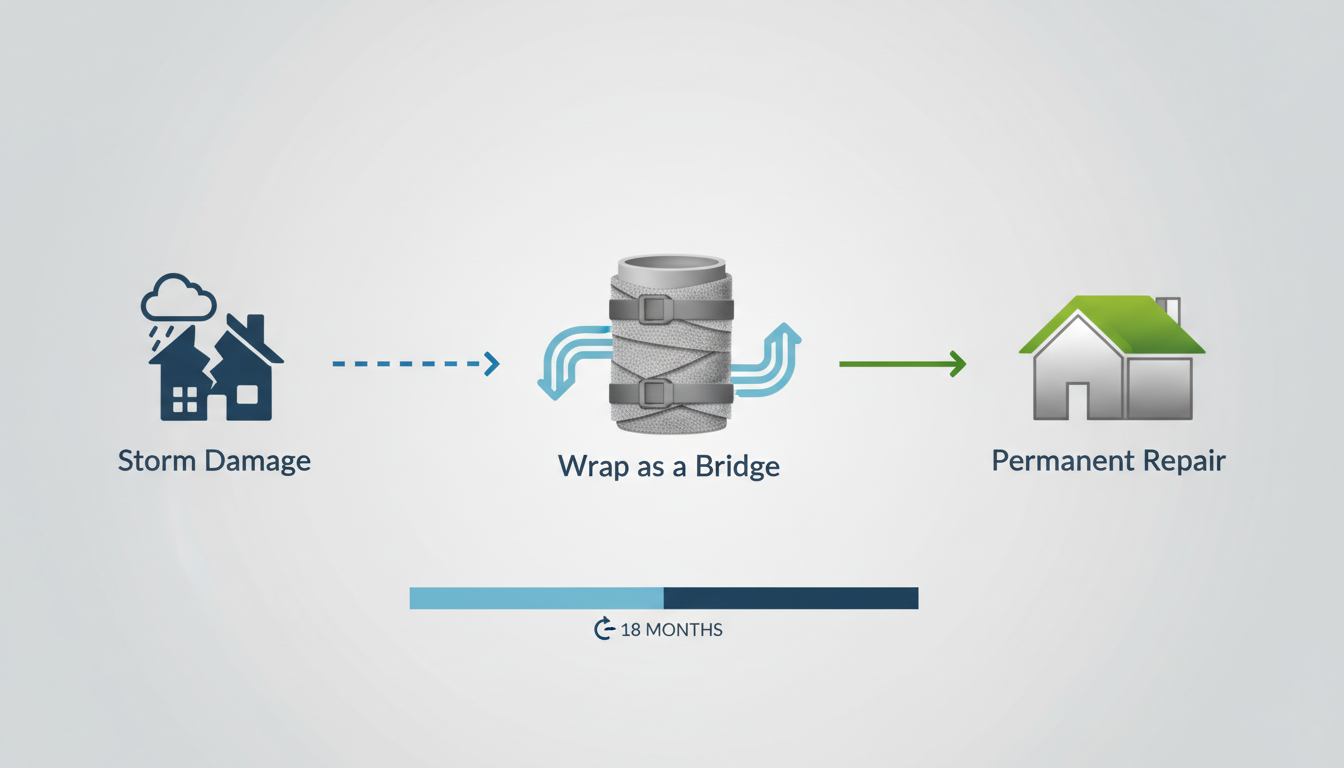
Mold starts within 24–48 hours of moisture. A professional shrink wrap dry-in after storm damage stops the water intrusion that starts the mold clock.

Secondary damage from storm events — mold, structural damage, destroyed interiors — is preventable with proper shrink wrap dry-in. Here is how it works.

An emergency enclosure is a temporary weatherproof shell for storm-damaged buildings. Learn what they cover, how they work, and when to call.
Compare shrink wrap vs blue tarps for roof dry-in. See lifespan, wind performance, maintenance time, and when each option makes sense.
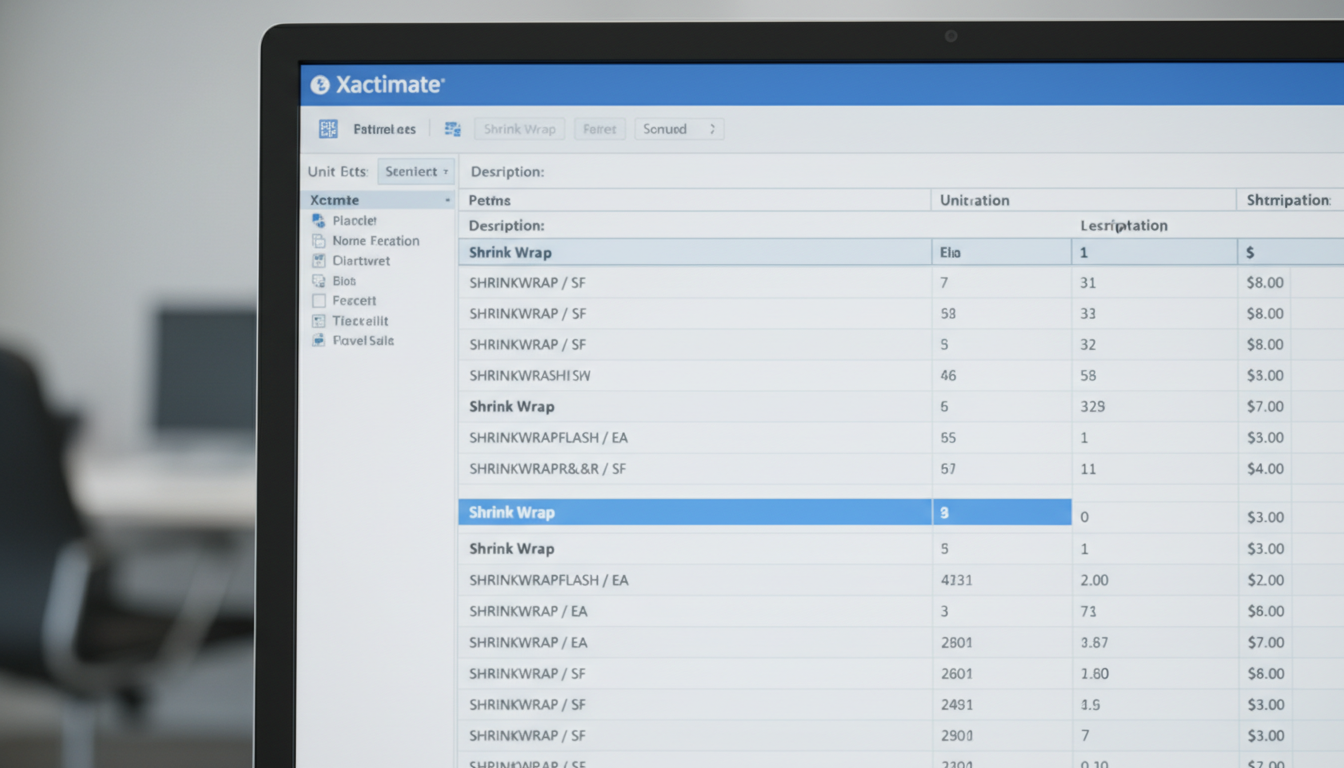
Typical emergency roof shrink wrap costs run about $3–$8 per sq ft installed. See pricing factors, examples, and what to do next.