
Residential
FEMA P-312 Mitigation Standards for Residential Disaster Recovery
Technical guide on meeting FEMA P-312 standards for residential property protection and the ‘Duty to Mitigate’ following natural disasters.
Technical guide on meeting FEMA P-312 standards for residential property protection and the ‘Duty to Mitigate’ following natural disasters.
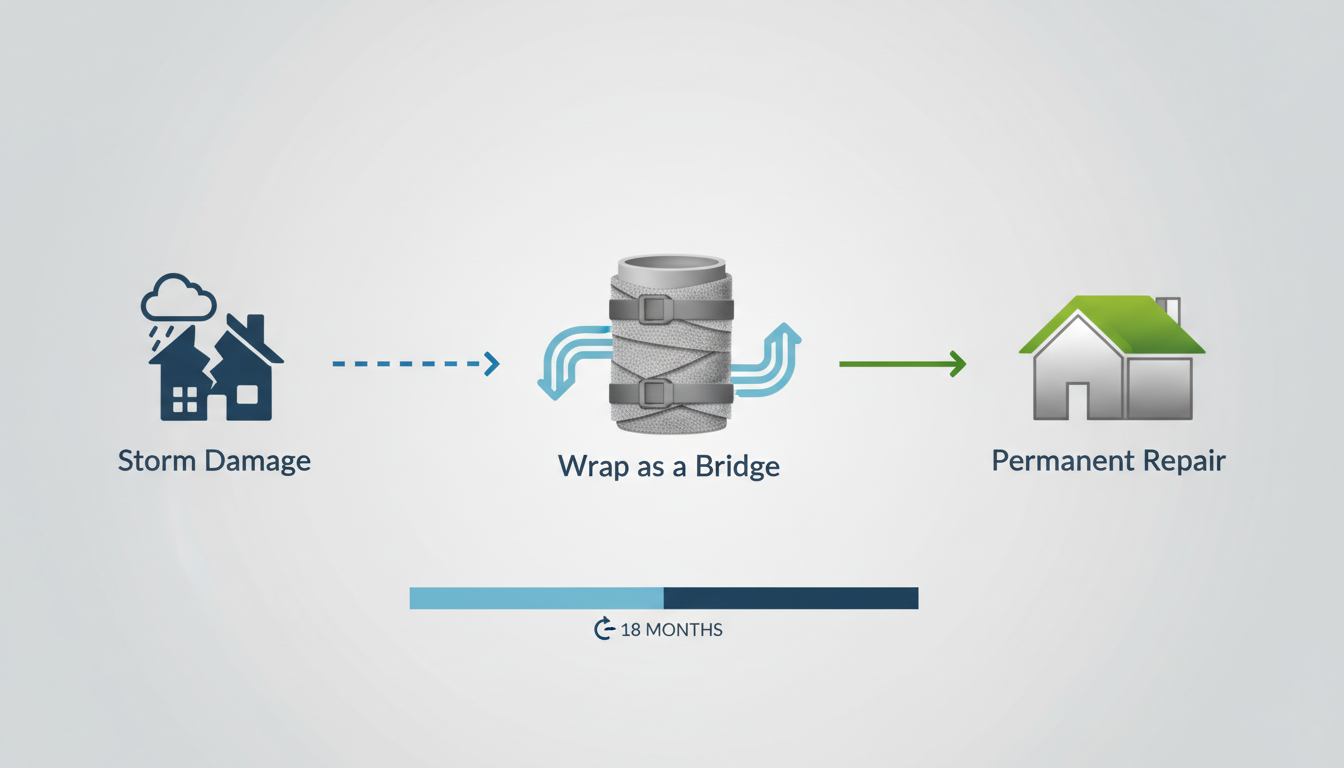
How to manage long-term roof exposures caused by material shortages and contractor backlogs using engineered shrink wrap systems.
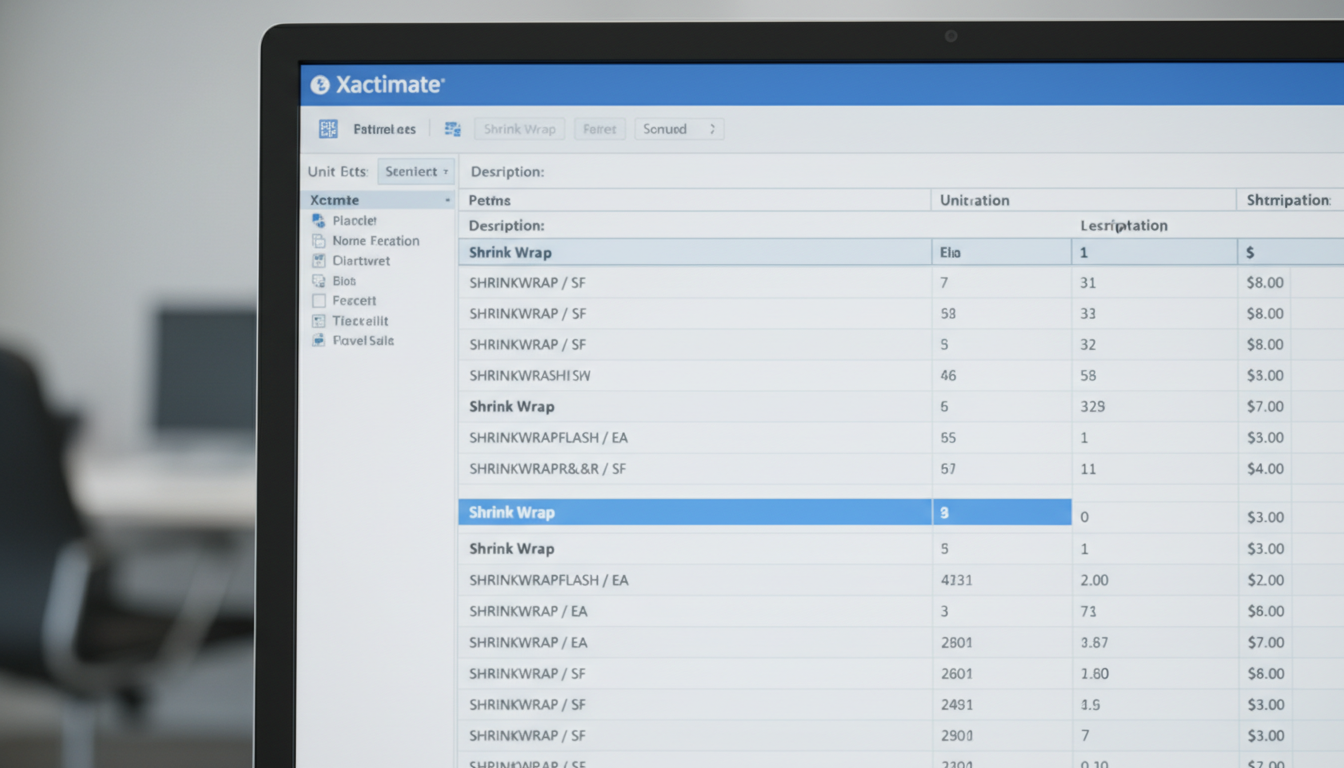
Restoration contractors leaving money on the table with vague shrink wrap invoices. The correct Xactimate line items, documentation requirements, and billing best practices.
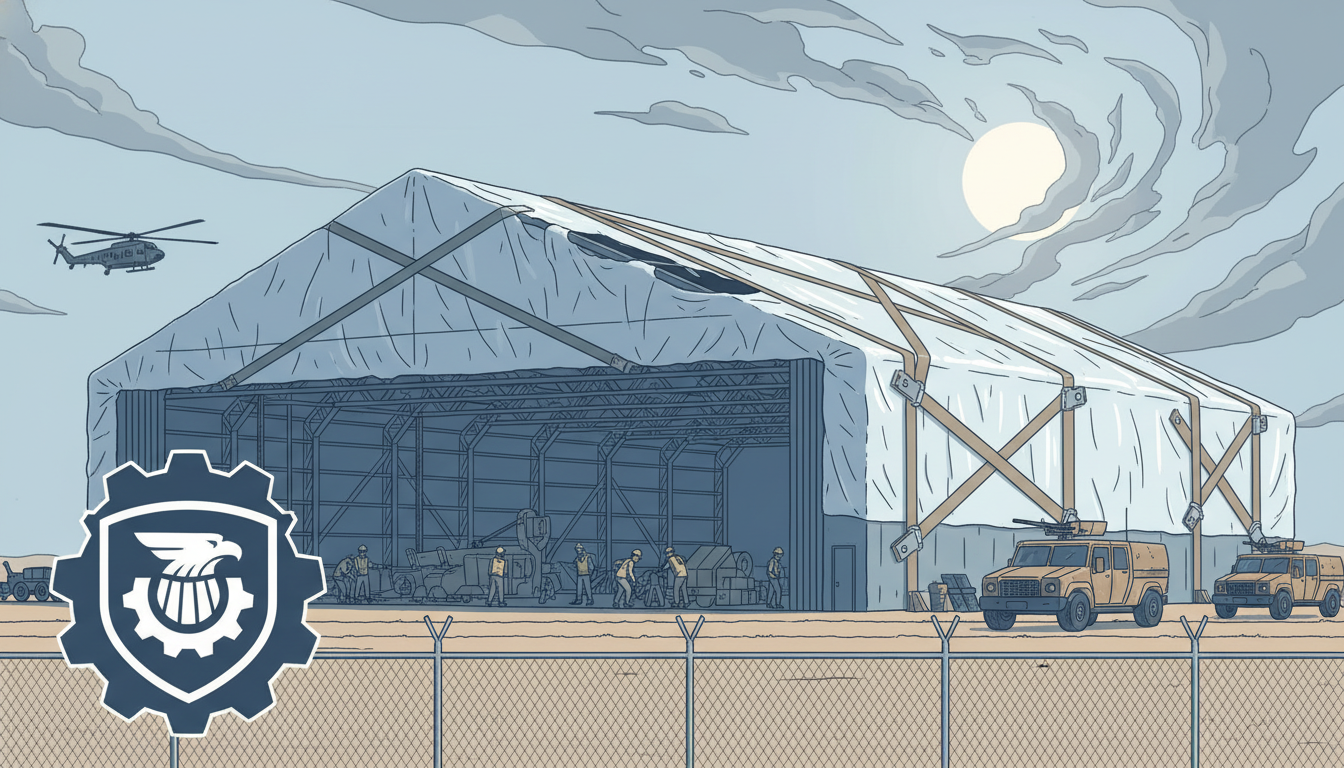
Subcontracting for military base disaster recovery. Understanding UFC codes, security clearances, and 12-mil shrink wrap requirements for DoD facilities.
Insurance covers emergency roof wrap when you follow the right process. What documentation you need, how to submit the claim, and why StormWrappers’ documentation package makes it easier.
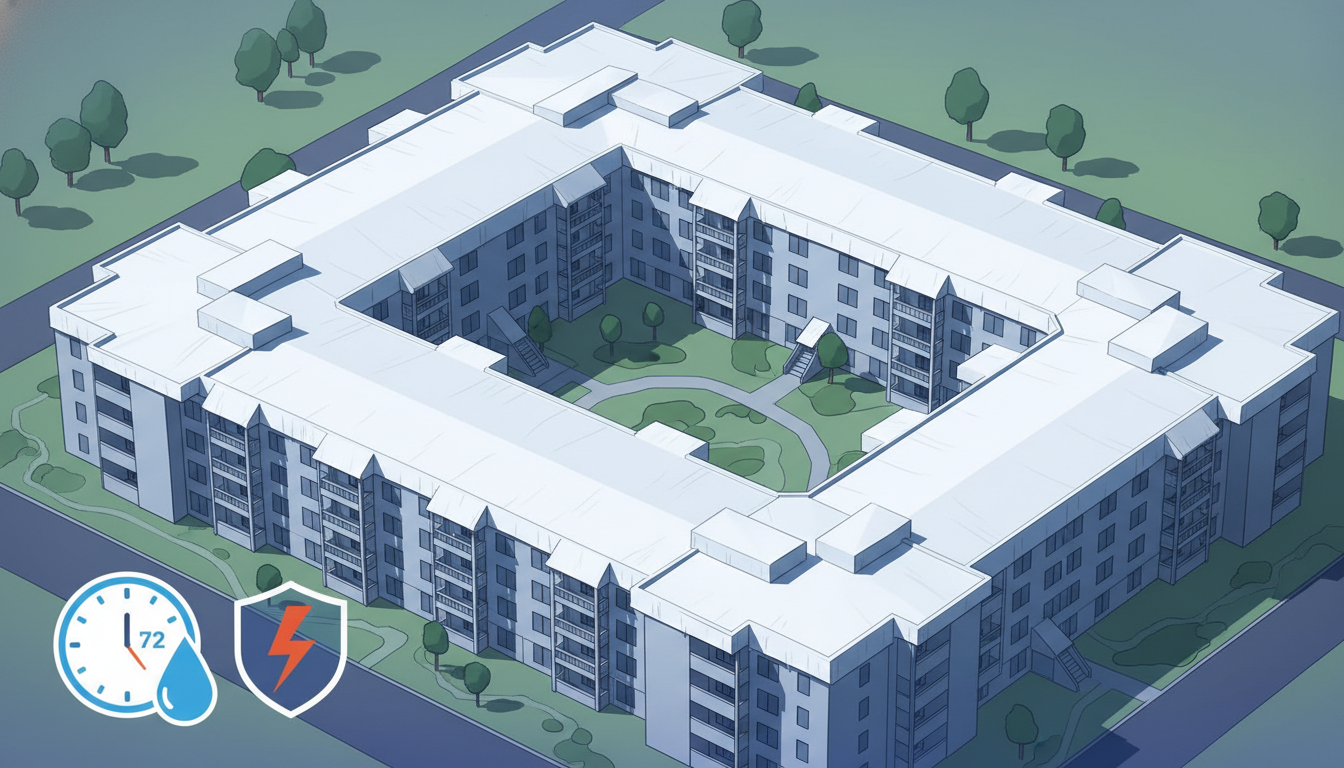
Apartment complex storm damage means displaced residents, insurance pressure, and revenue loss. How StormWrappers provides rapid emergency enclosures for multi-family properties.
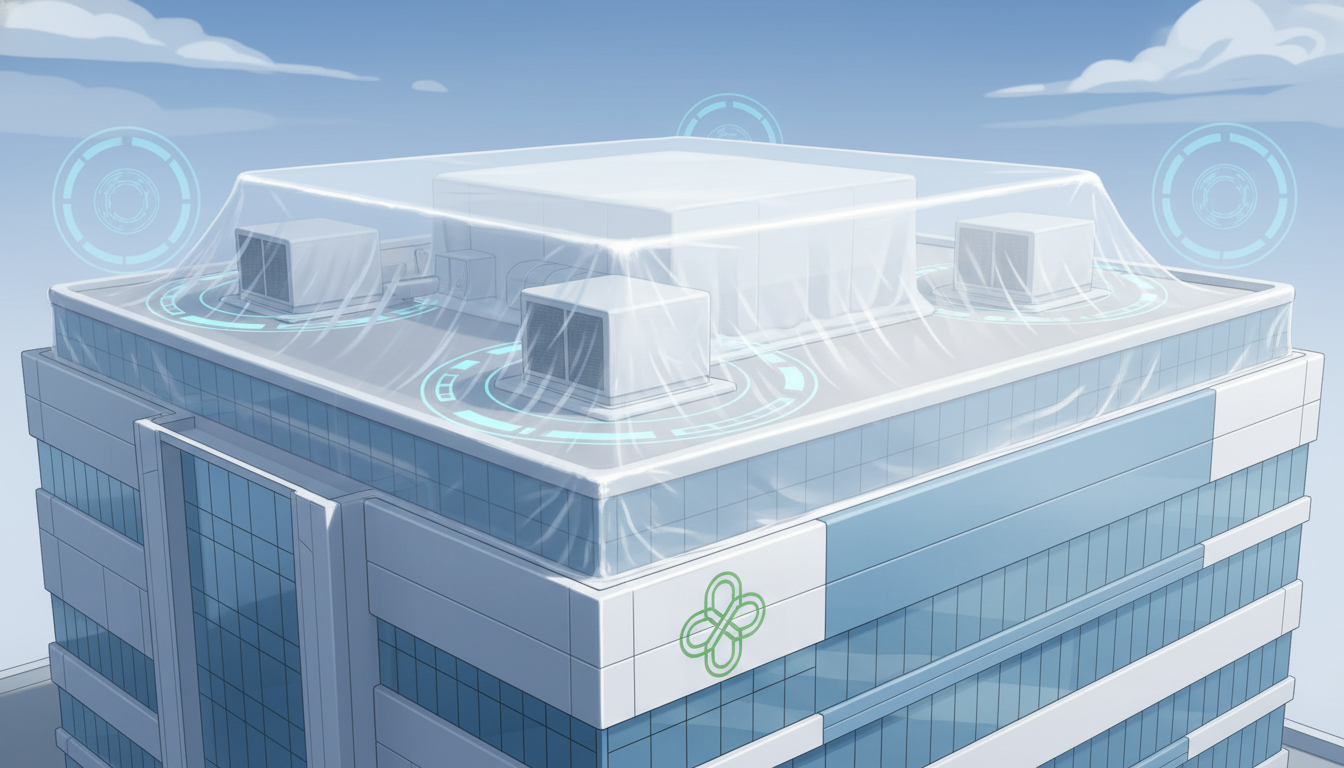
Storm damage to a hotel isn’t just a property problem — it’s a revenue and reputation crisis. How shrink wrap emergency enclosures keep hotels operational and claims moving.
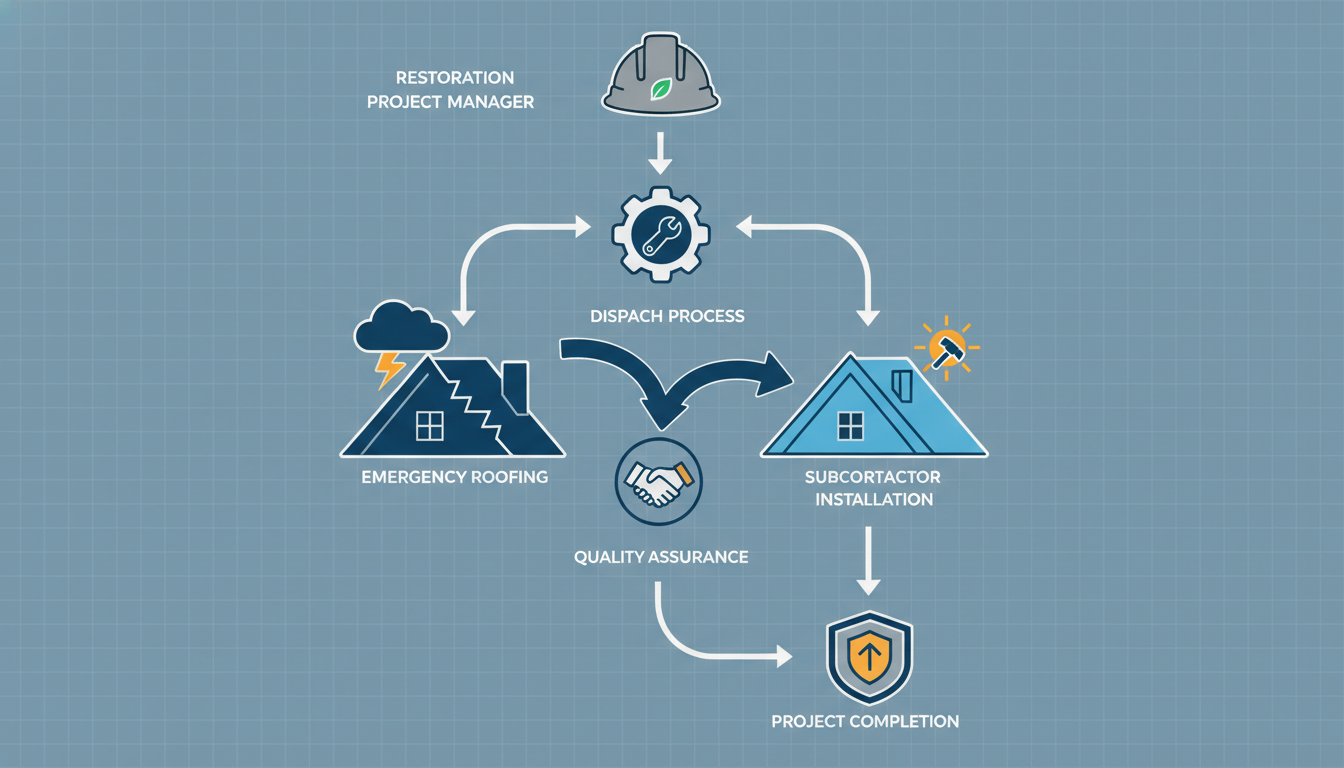
Standard Operating Procedure (SOP) for restoration franchises subcontracting emergency roof wrapping. How to white-label StormWrappers for large loss projects.
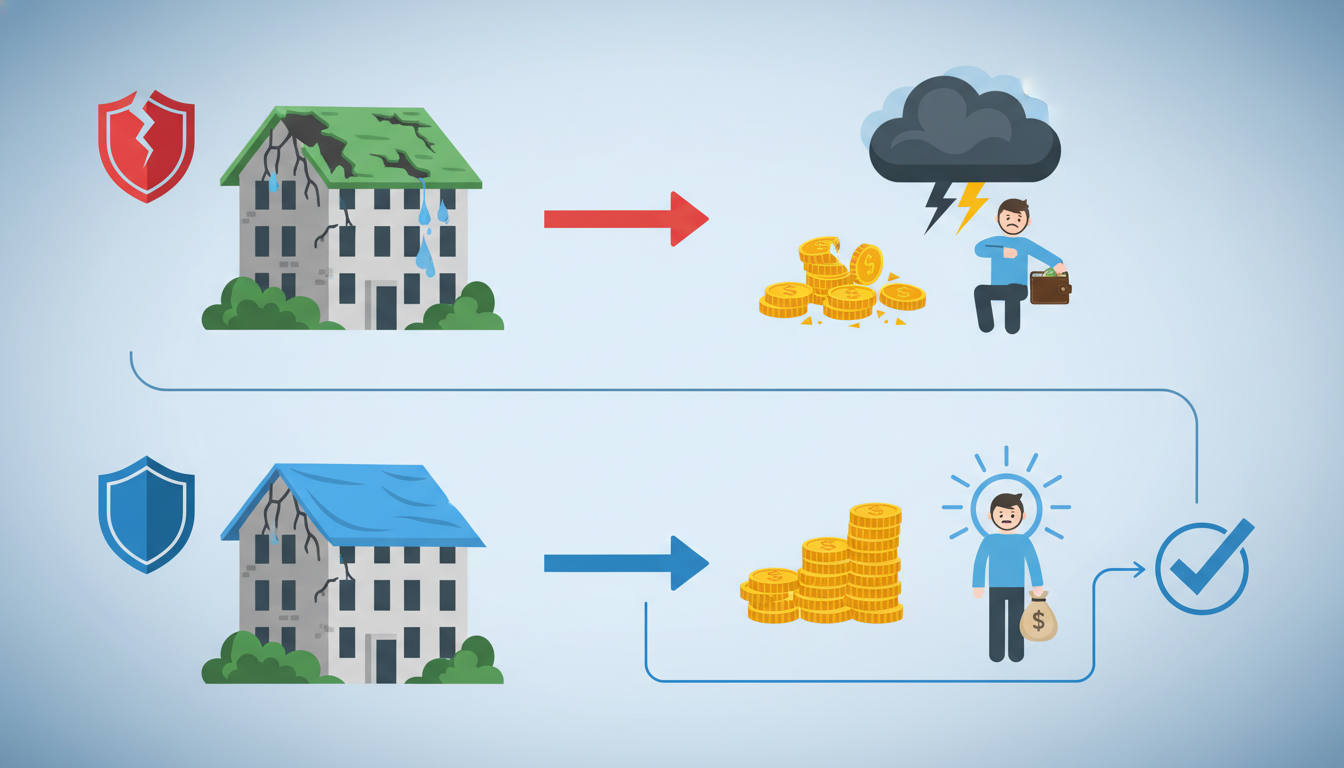
Understanding your ‘Duty to Mitigate’ post-disaster. Why insurance adjusters prefer shrink wrap over tarps for preventing secondary water damage and mold.

Future-proofing commercial real estate against increasing storm severity. Why temporary enclosures are becoming a permanent part of disaster preparedness plans.