
Storm
ASTM E1971 Standards for Historic Building Storm Protection
Protect historic structures without mechanical damage. Learn about ASTM E1971 and non-invasive shrink wrap enclosure techniques.

Protect historic structures without mechanical damage. Learn about ASTM E1971 and non-invasive shrink wrap enclosure techniques.
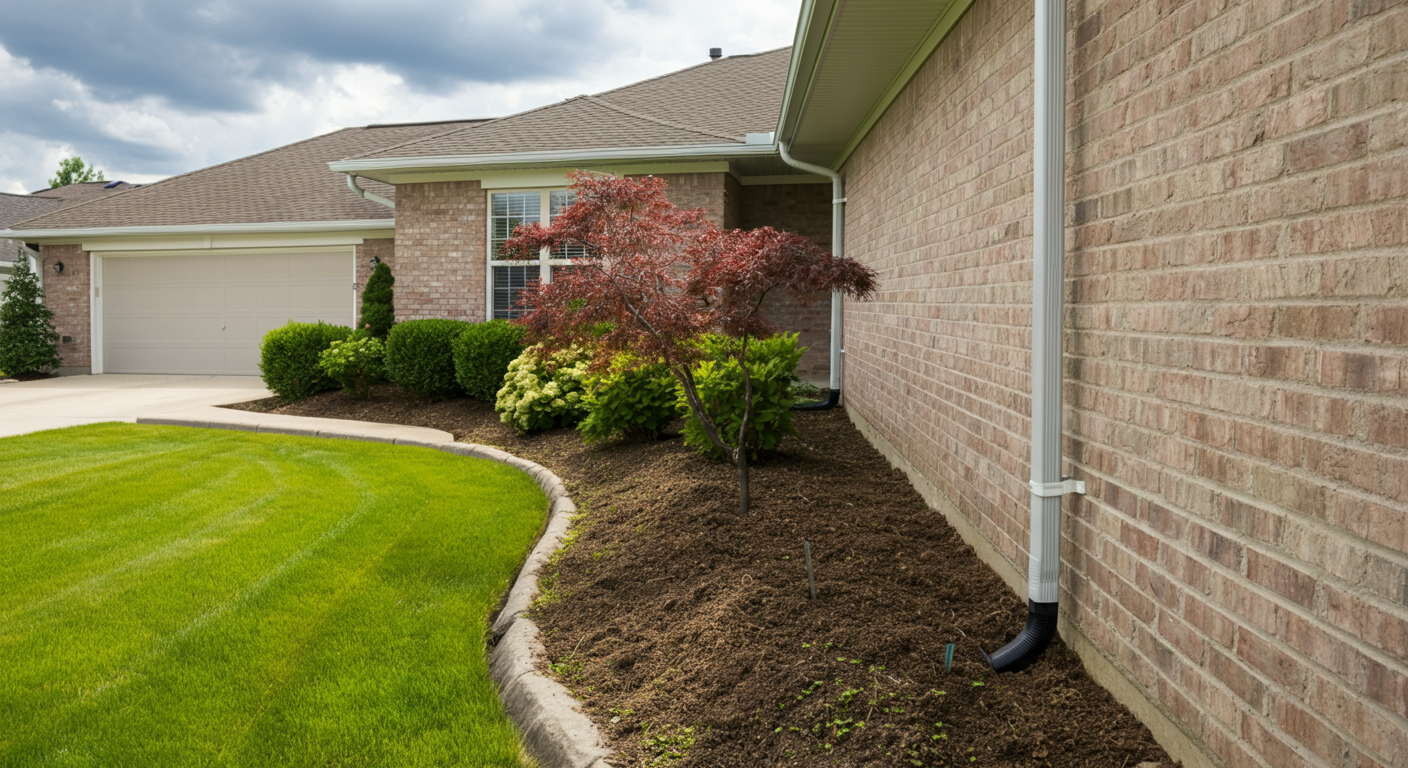
Hail damage is one of the most common reasons for emergency roof wraps in spring. What hail does to your roof, when you need a wrap, and how to document for insurance.
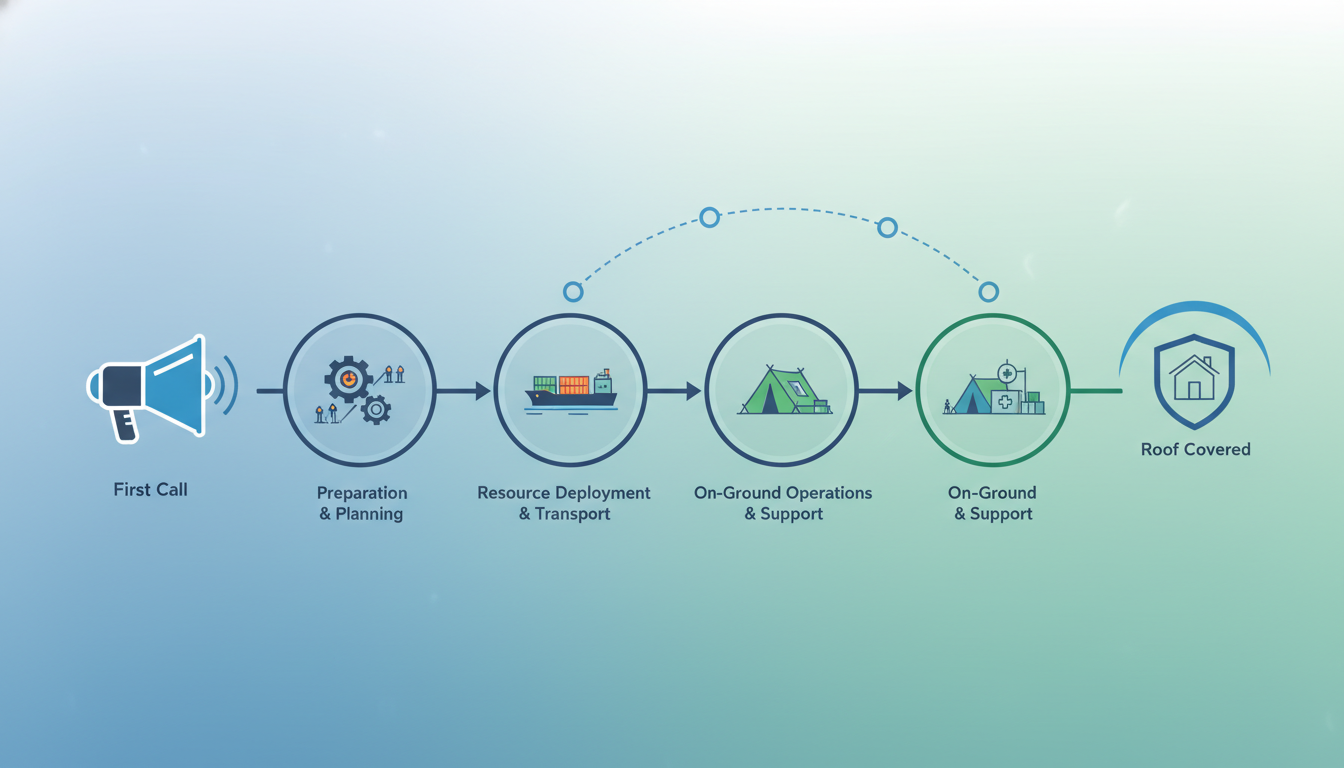
What to expect when you call StormWrappers. Our 4-step mobilization protocol: Assessment, Material Logistics, Crew Deployment, and Completion timeline.

Professional shrink wrap roofs last 3–12 months depending on film spec, UV exposure, and climate. How to assess your wrap’s condition and when to renew before it fails.

Spring rain delays are costly on construction sites. Shrink wrap building enclosures let interior work continue in wet weather — how they work and when they make economic sense.

Financial comparison for CFOs and Facility Managers. Calculating the Return on Investment (ROI) of shrink wrap vs tarps considering business continuity and secondary damage.

Insurance covers emergency roof wrap when you follow the right process. What documentation you need, how to submit the claim, and why StormWrappers’ documentation package makes it easier.
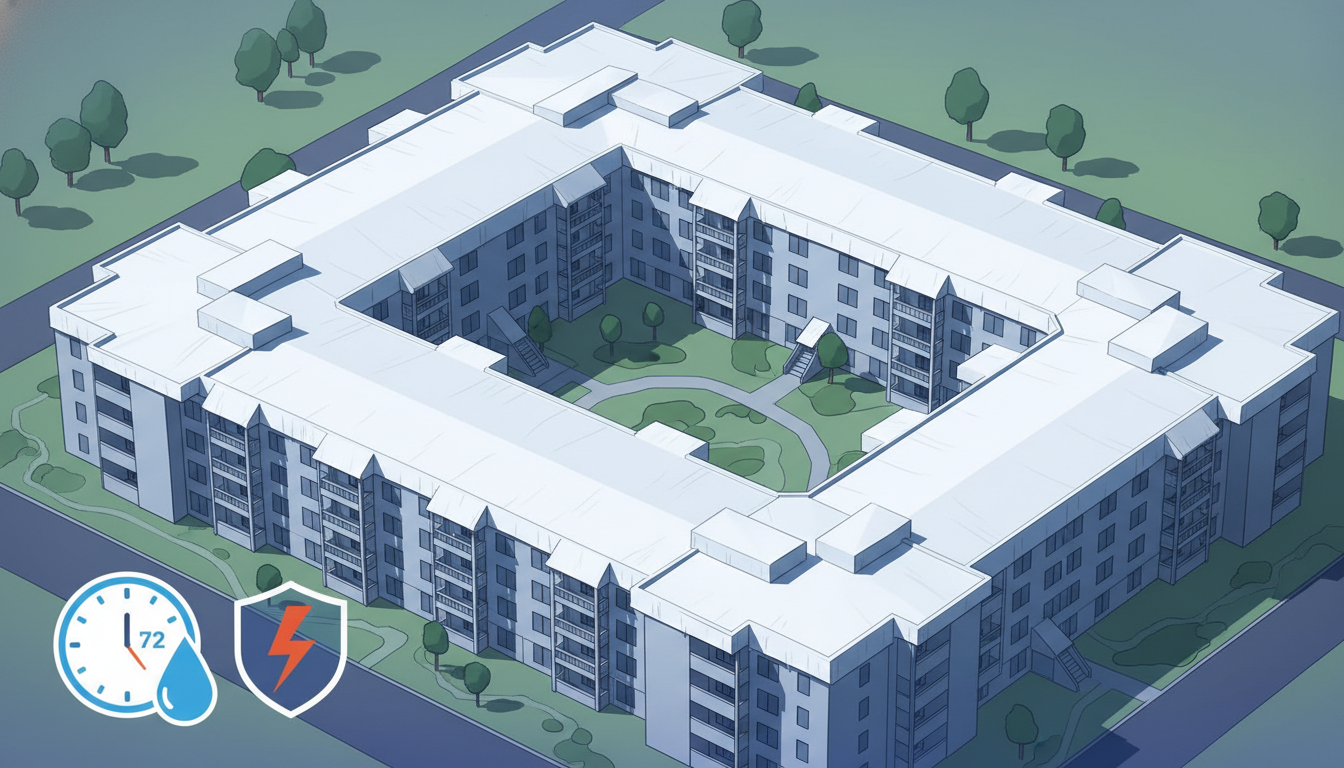
Emergency roofing guide for HOAs and Condo Boards. How to manage displacement, insurance claims, and bulk shrink wrapping for multi-family complexes.

Storm damage to a hotel isn’t just a property problem — it’s a revenue and reputation crisis. How shrink wrap emergency enclosures keep hotels operational and claims moving.
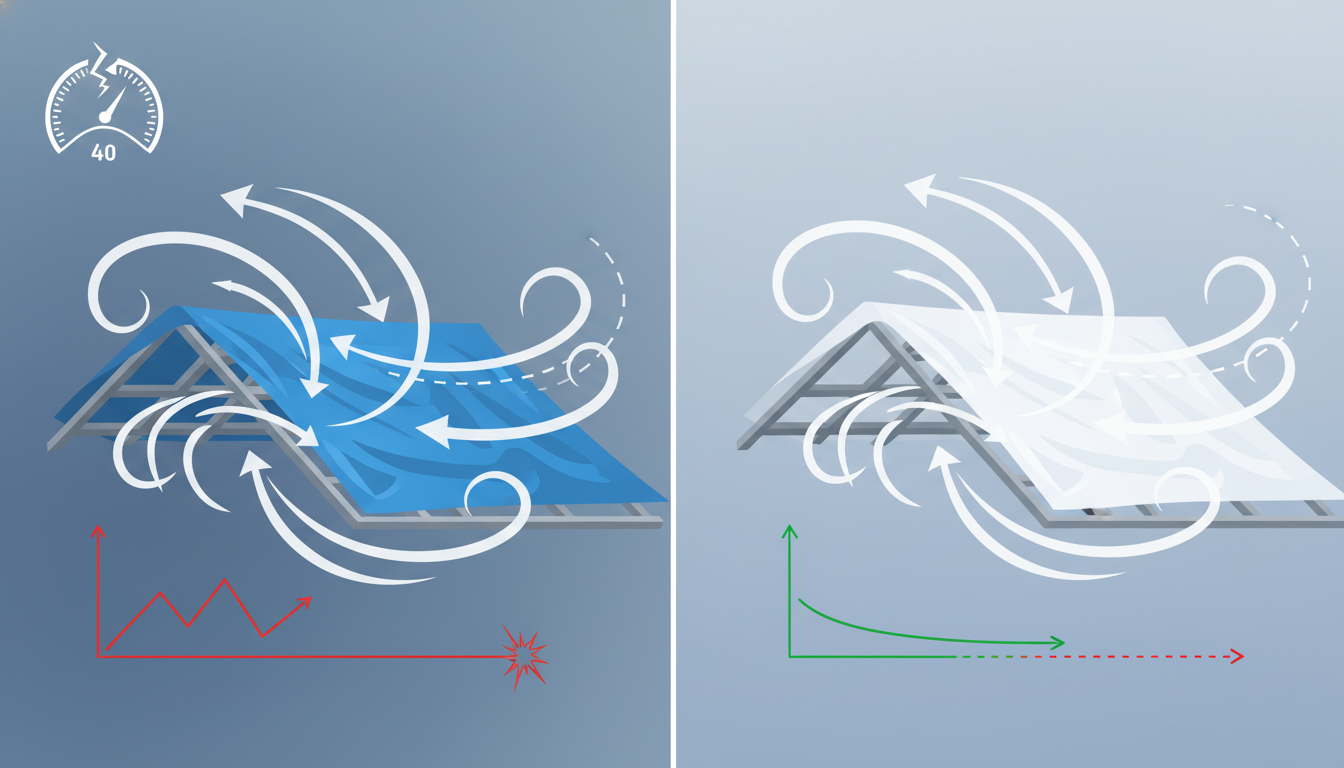
The physics of wind uplift on temporary roof covers. Why heat-sealed shrink wrap survives 100mph winds while blue tarps fail at 40mph. Bernoulli’s principle explained.